Your account is only as secure as its weakest reachable path, and that path is usually recovery. A ranked guide to recovery methods, the NIST-backed design rules, and the help desk vector behind MGM, TfL and M&S.
Chrome shipped DBSC to stable. It binds the session cookie to a key in the TPM, which makes a stolen cookie inert off the originating device. Here is the protocol, the honest limits, and the buyer checklist.
Vendor log retention ends months before the average breach is discovered. The funnel, security, and silent-failure metrics every CIAM deployment should have, and the seven-panel dashboard to start with.
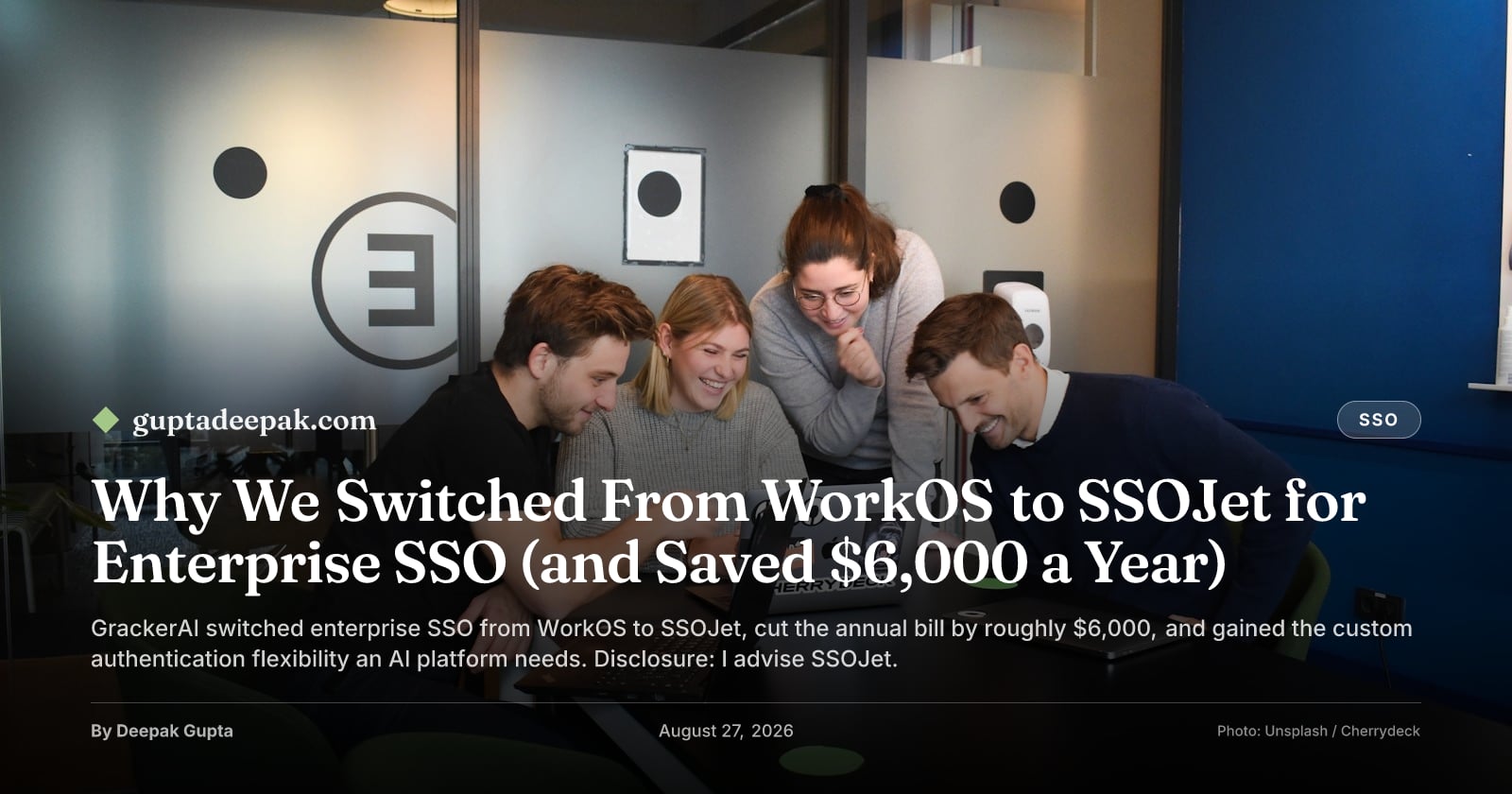
GrackerAI switched enterprise SSO from WorkOS to SSOJet, cut the annual bill by roughly $5,000, and gained the custom authentication flexibility an AI platform needs.
A decision framework for enterprise passkeys: when device-bound hardware keys beat synced passkeys, mapped to user risk, device context, compliance, and total cost. Includes the three failure patterns that surface only after rollout.
WebAuthn Level 3 became a W3C Recommendation on 25 August 2026. Encryption key derivation, cross-domain credentials, and automatic list syncing are now first-class. Here is what changed.
Everyone argues about auth pricing. Almost nobody accounts for what identity actually costs per closed deal, or notices the invoice founders obsess over is the smallest of four identity costs.
A leaked static key is a disaster; a five-minute token is mostly a shrug. Here is the credential lifecycle that gets AI agents from 24-hour tokens to ephemeral ones.
In a monolith you check who someone is once. In microservices, every hop has to ask again. Here is how I design authentication and authorization across services: edge auth, per-service verification, workload identity with SPIFFE, and centralized policy.
AI made it cheap to fake a face, a voice, and a video. Here is my working map of the three problems authentication now has to solve, and the tools that actually hold up in 2026: verifying people, verifying agents, and verifying content.
Your identity stack was architected for humans with browsers and thumbs. Agent traffic breaks consent, delegation, sessions, bot defence and audit at once.
Agents can already prove who they are. What no standard has cleanly solved is passing scoped authority down a multi-hop chain across organizations. Here is the real state of agent identity in 2026, minus the blockchain hype.
Passkeys, post-quantum crypto, silent network authentication, AI behavioral biometrics, and decentralized identity are fusing into one login stack. Here is what it looks like by 2030, and the two moves in 2026 that decide whether you are ready.
Every CTO re-litigates build vs buy for authentication every 18 months, and the framing is broken. The real question isn't build or buy. It's which parts of identity are commodity and which parts are your actual product.
Identity vendors rarely die of bankruptcy. They die of acquisition, then neglect, then a shutdown email. A complete history of every dead CIAM vendor, the pattern behind the deaths, and the questions that protect you from the next one.
Whether Auth0 is too expensive depends entirely on who's asking. A framework for telling the regulated enterprise buyer (pay and negotiate) apart from the high-volume, cost-sensitive platform (migrate), with 2026 pricing and breach-cost data.
Scaling a CIAM platform past a billion users taught me that customer identity is a trust problem: progressive profiling, risk-based auth, and passwordless done right.
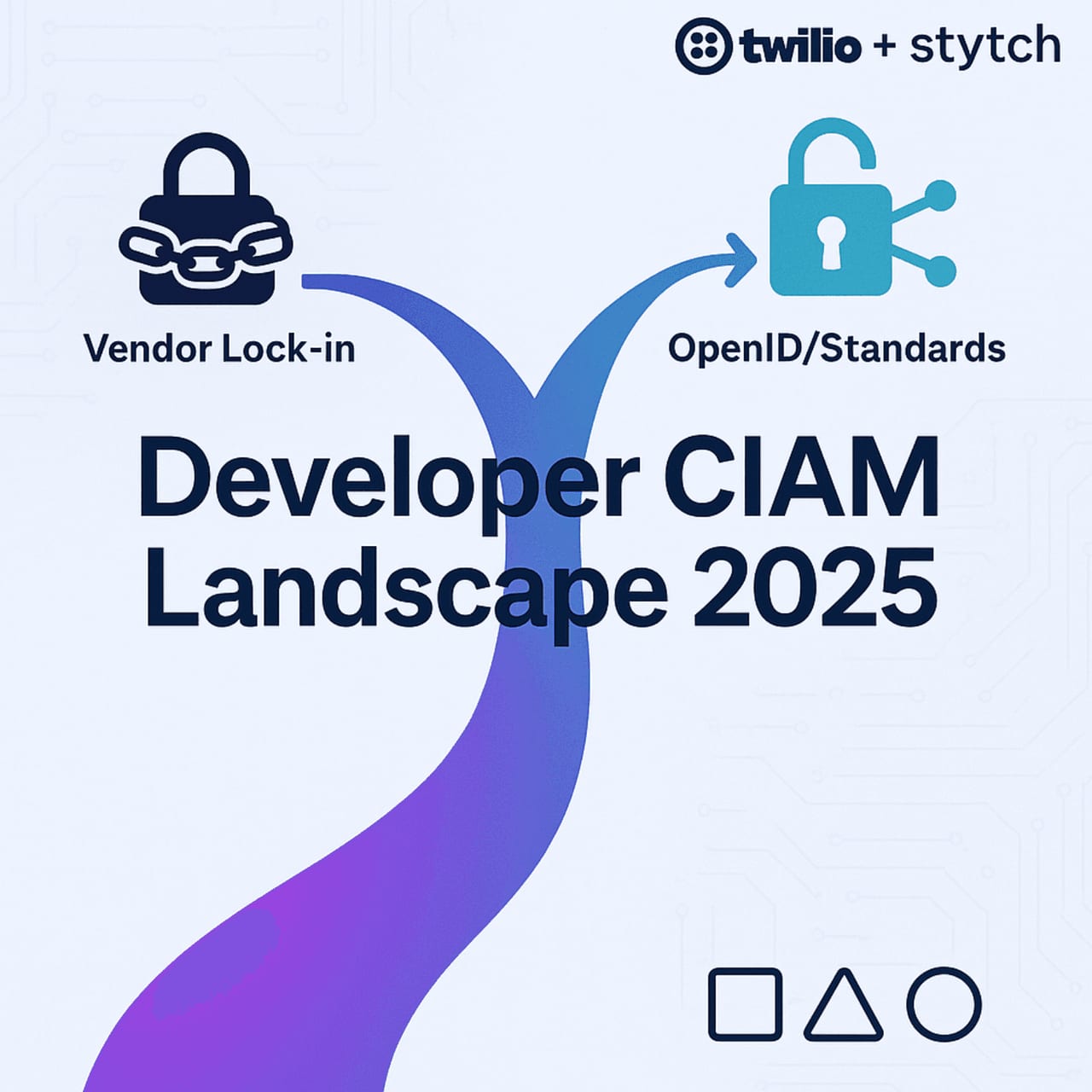
Okta and Microsoft no longer define the CIAM market alone. Five developer-first, passwordless-native, and AI-ready platforms are growing fast by solving the specific problems the incumbents leave unaddressed. Here is where each one fits in 2026.
JWT versus opaque tokens for API authentication: statelessness versus revocation, latency at global scale, blast radius, and the hybrid pattern most large deployments use.
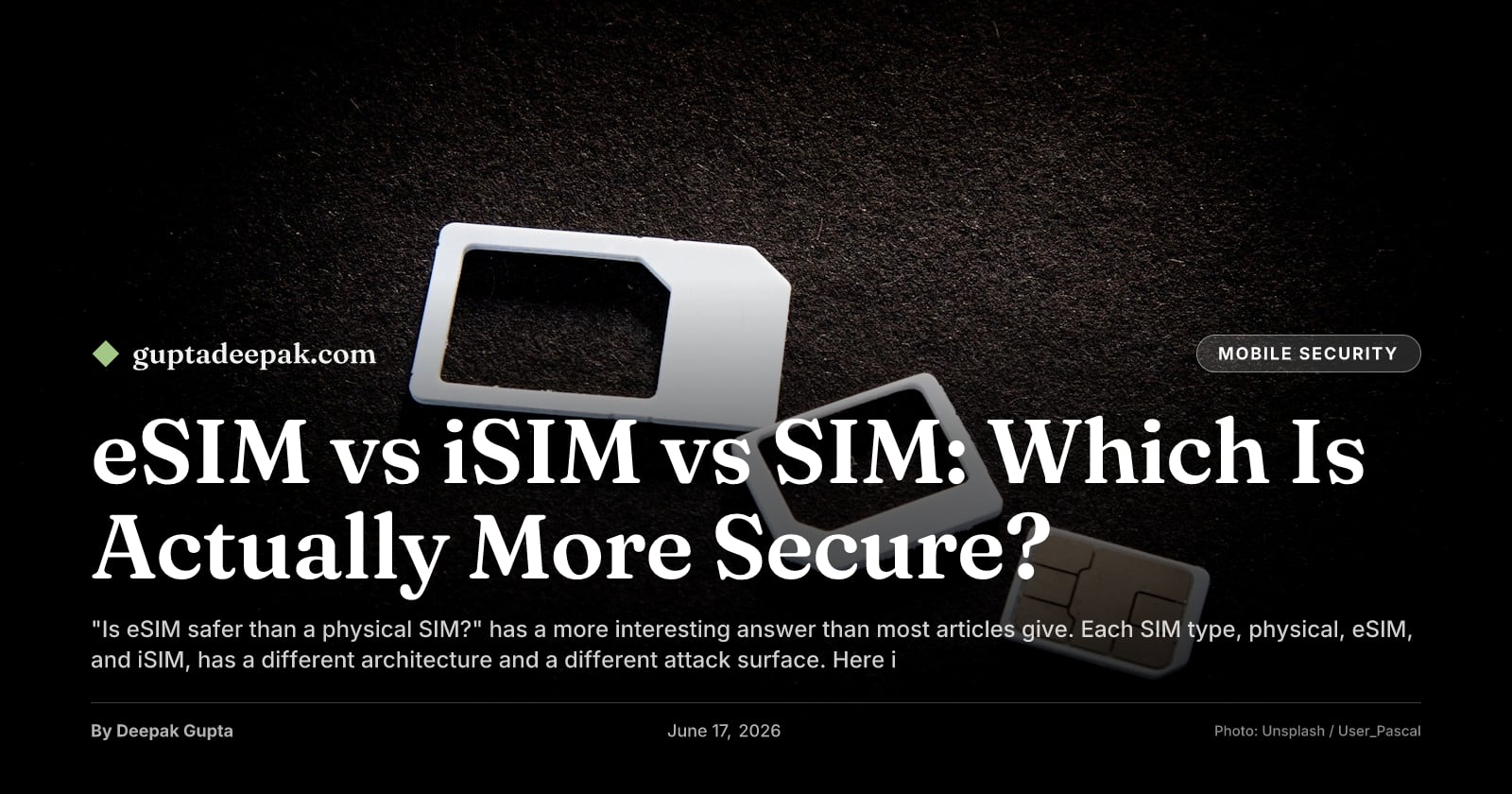
"Is eSIM safer than a physical SIM?" has a more interesting answer than most articles give. Each SIM type, physical, eSIM, and iSIM, has a different architecture and a different attack surface. Here is how they actually work and which is genuinely more secure.
Auth0 (Okta) versus ForgeRock (Ping Identity), compared on developer experience, CIAM versus workforce IAM, deployment models, extensibility, standards, and pricing.
Most data breaches don't come from sophisticated zero-day attacks. They come from stolen credentials, misconfigurations, and unpatched systems. Here is a practical, prioritized playbook for preventing the breaches that actually happen.
A founder's guide to the difference between authentication and authorization in 2026, with passkeys, agent auth, JWT pitfalls, and the mistakes I see at scale.
We cancelled Auth0 over a year ago. Not because it stopped working, but because scaling to 350,000 monthly active users made the pricing model untenable.
Production authentication patterns for OAuth 2.0, OIDC, JWT, SAML, and WebAuthn, including the build-versus-buy maths and the storage and session decisions that are expensive to reverse later.
Struggling with MCP authentication? The November 2025 spec just changed everything. CIMD replaces DCR's complexity with a simple URL-based approach, no
Firebase Auth has no real B2B Organizations and prices enterprise SAML free only to 50 MAU. Eight alternatives compared on verified September 2026 pricing.
Cognito's free tier shrank and its hosted UI still fights you. Eight alternatives compared on verified September 2026 pricing, plus the SRP migration trap.
Fourteen Auth0 alternatives compared on verified September 2026 pricing: Clerk, WorkOS, SSOJet, Stytch, Descope, Keycloak, FusionAuth, Cognito and more.
Five credential management platforms compared on PKI lifecycle, FIDO2 and passwordless, post-quantum readiness, NIST 800-63 assurance levels and real pricing.
The complete CIAM provider directory, not a ranking: 34 identity platforms across six categories, with current ownership, published free tiers, and fit.
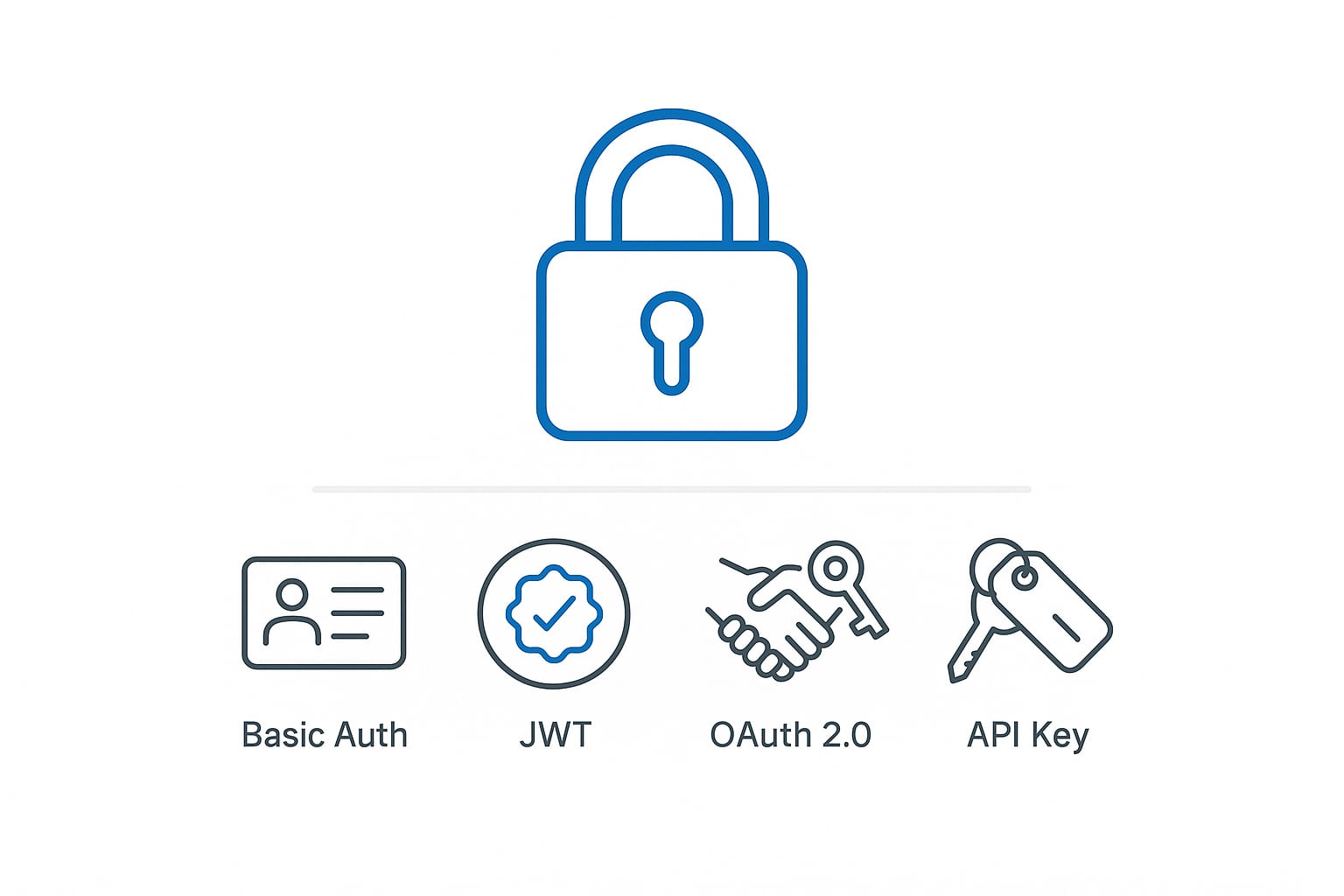
From Basic Auth’s simplicity to OAuth 2.0’s delegated muscle, this quick-read unpacks the strengths, gaps, and best-fit use cases of the four core REST
At RSAC 2025, the cybersecurity landscape underwent a seismic shift. This analysis reveals how autonomous AI agents, deepfake technologies, and quantum
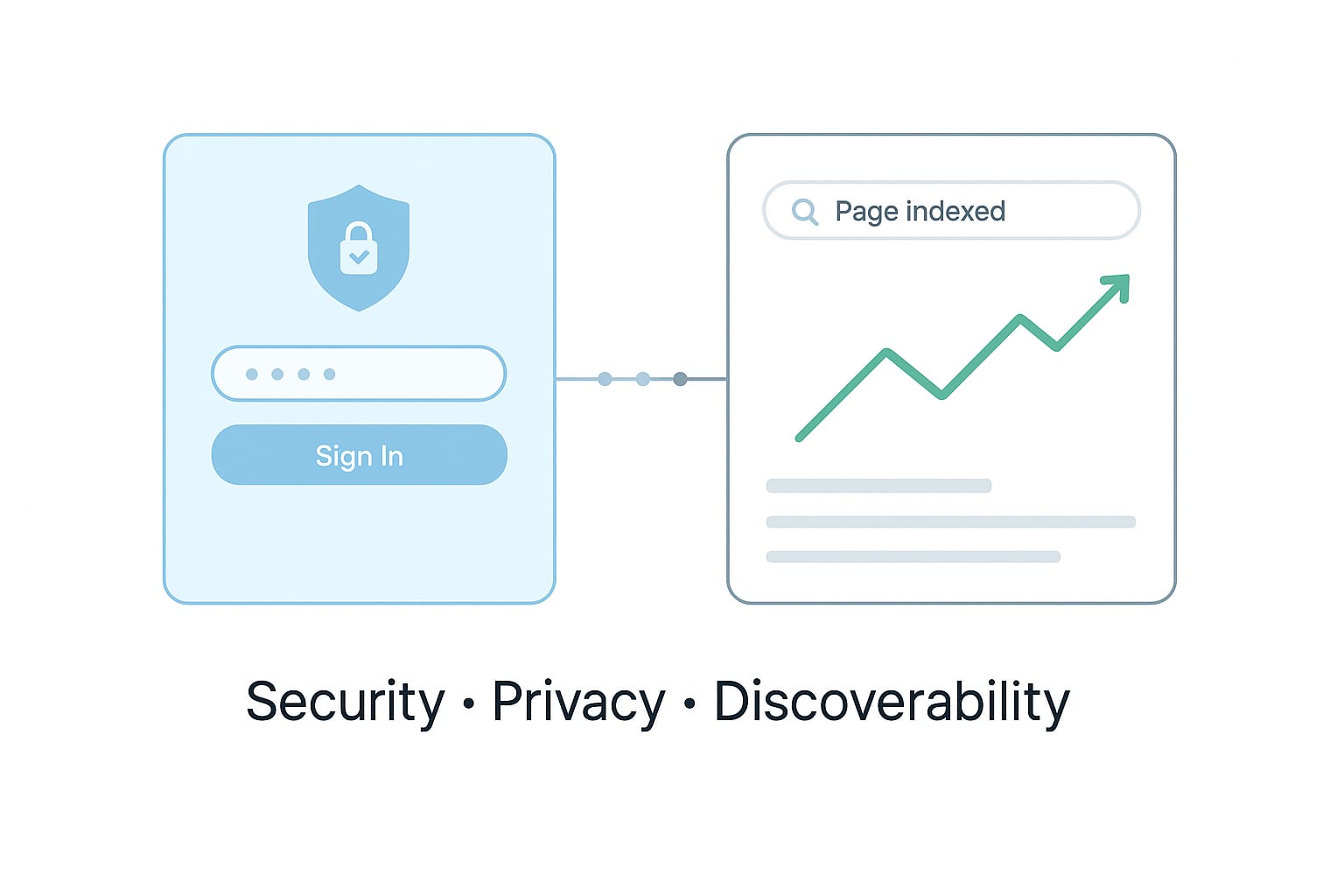
Authentication pages serve as both security checkpoints and critical SEO touchpoints. While 80% of data breaches involve compromised credentials, properly
AI agents need to prove both their own identity and that a human authorized the action. Here is the three-token delegation architecture that answers both, and the security layers around it.
SAML 2.0 has been frozen since 2005 and still carries enterprise SSO, because that is what large IT organisations standardised on. Here is the protocol, the assertion flow, and the parts that go wrong.
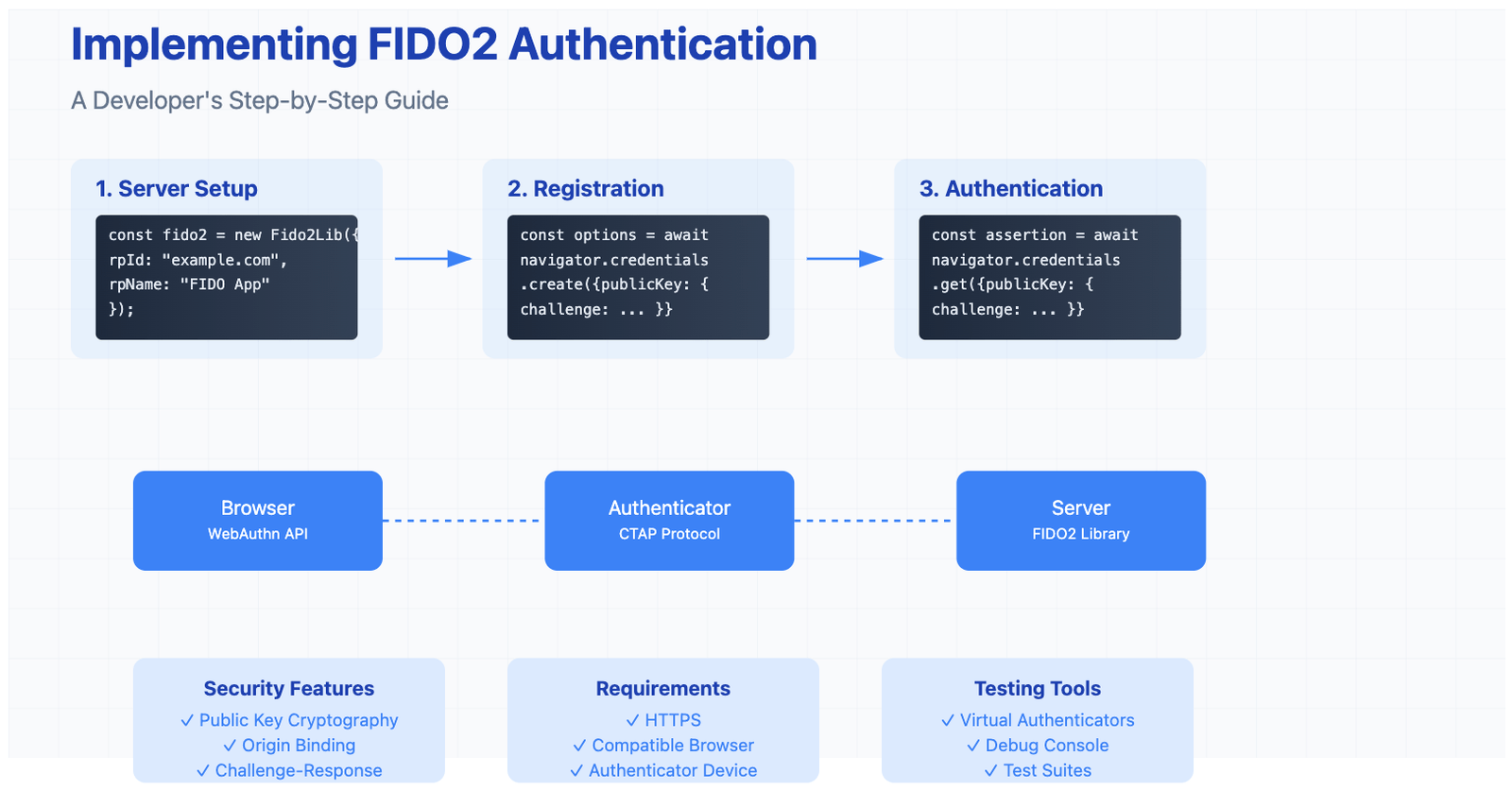
Synced passkeys for most users, device-bound FIDO2 keys for admins, push as a bridge. The full comparison on security, cost, assurance level and rollout.
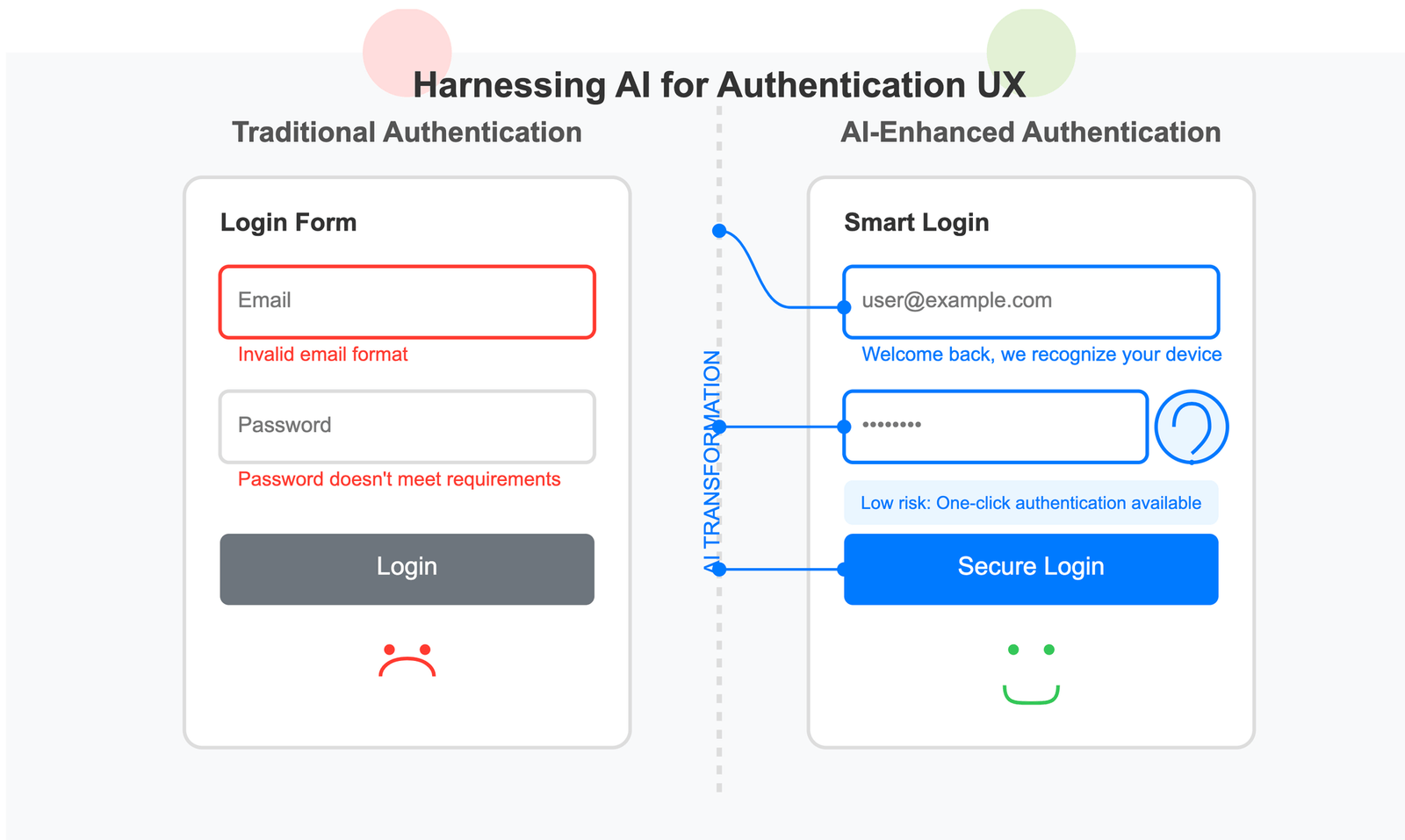
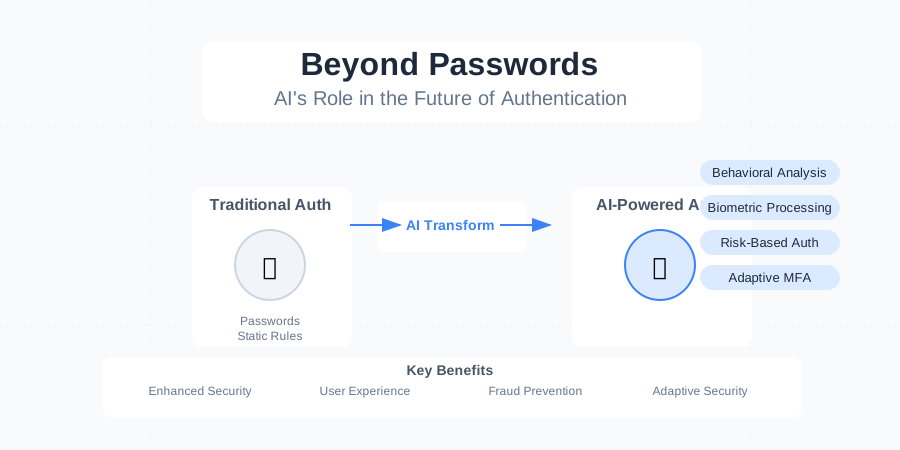
Tired of passwords? AI is ushering in a new era of authentication! This post delves into cutting-edge technologies like behavioral biometrics, risk-based
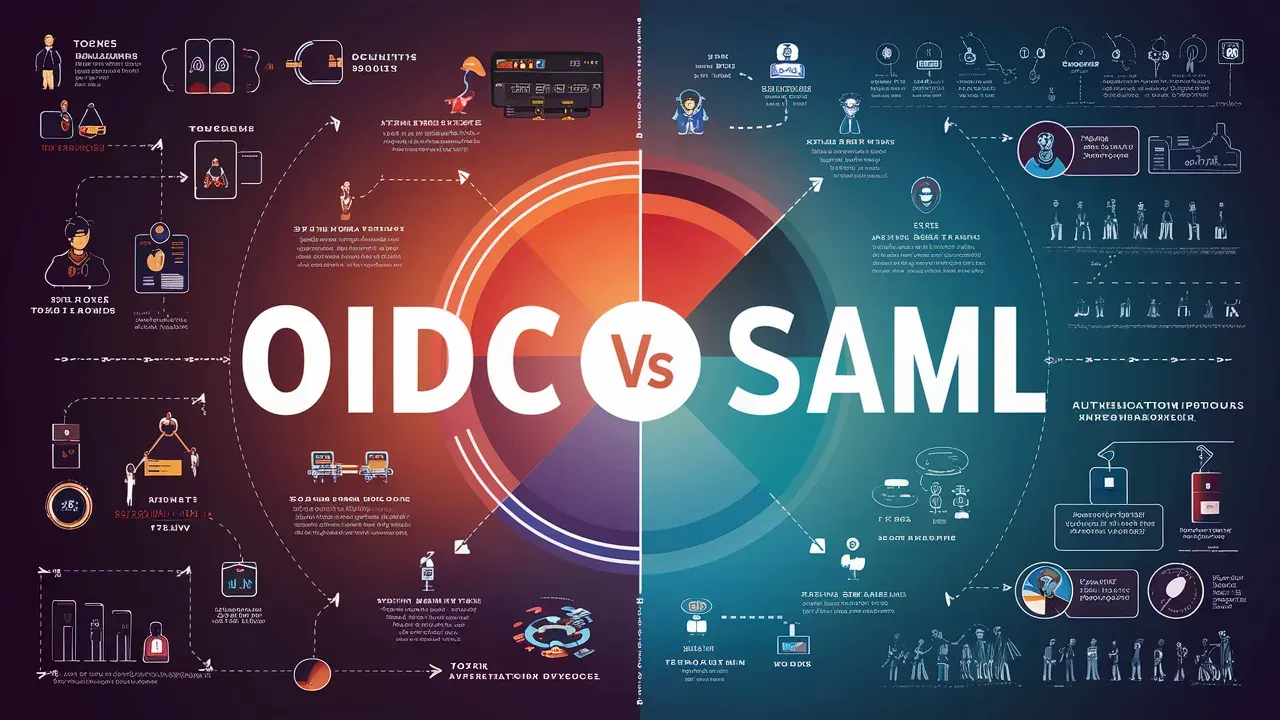
JWT is a format, OAuth is delegation, OIDC is authentication on top of OAuth, and SAML is the XML predecessor enterprises still require. Here is how they fit together and which one your use case needs.
Registration forms are like a bad dream that never ends. But with lazy registration, it's like waking up to a beautiful day without a care in the world.
RESTful APIs are still vulnerable to various security risks. In this article, we will explore five common RESTful API security risks and discuss how to
Authentication, identity verification, and identification answer three different security questions. Confusing them is how products end up with weak controls.
Most B2B SaaS companies bolt on identity as an afterthought. After scaling a CIAM platform to 1B+ users, I learned that getting identity right from the
OAuth 2.0 client credentials grant explained: how services authenticate to each other, request scoped tokens, and call APIs without a user in the loop.
Decentralized identity is becoming a reality for users of blockchain-based applications, and it’s thanks to the proliferation of unique, verifiable identifiers.
Cookies vs. JWTs for authentication: how each works, where each fits, and why most modern systems run both side by side across web, mobile, and API surfaces.
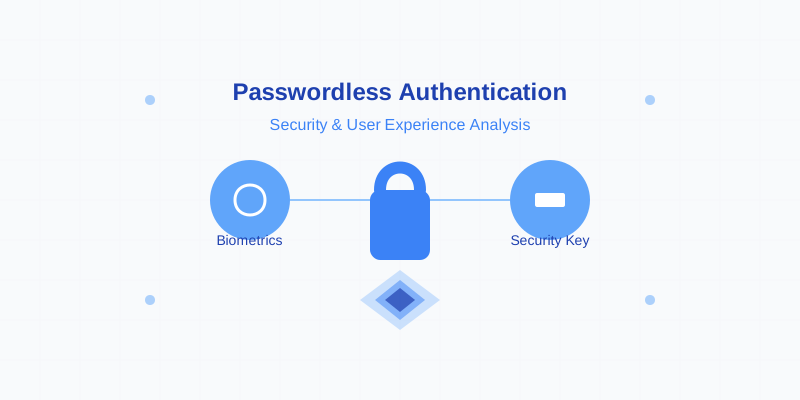
These easy login methods might be the nail in the coffin. We take a brief look at the death of passwords, and how to prepare for a passwordless future.
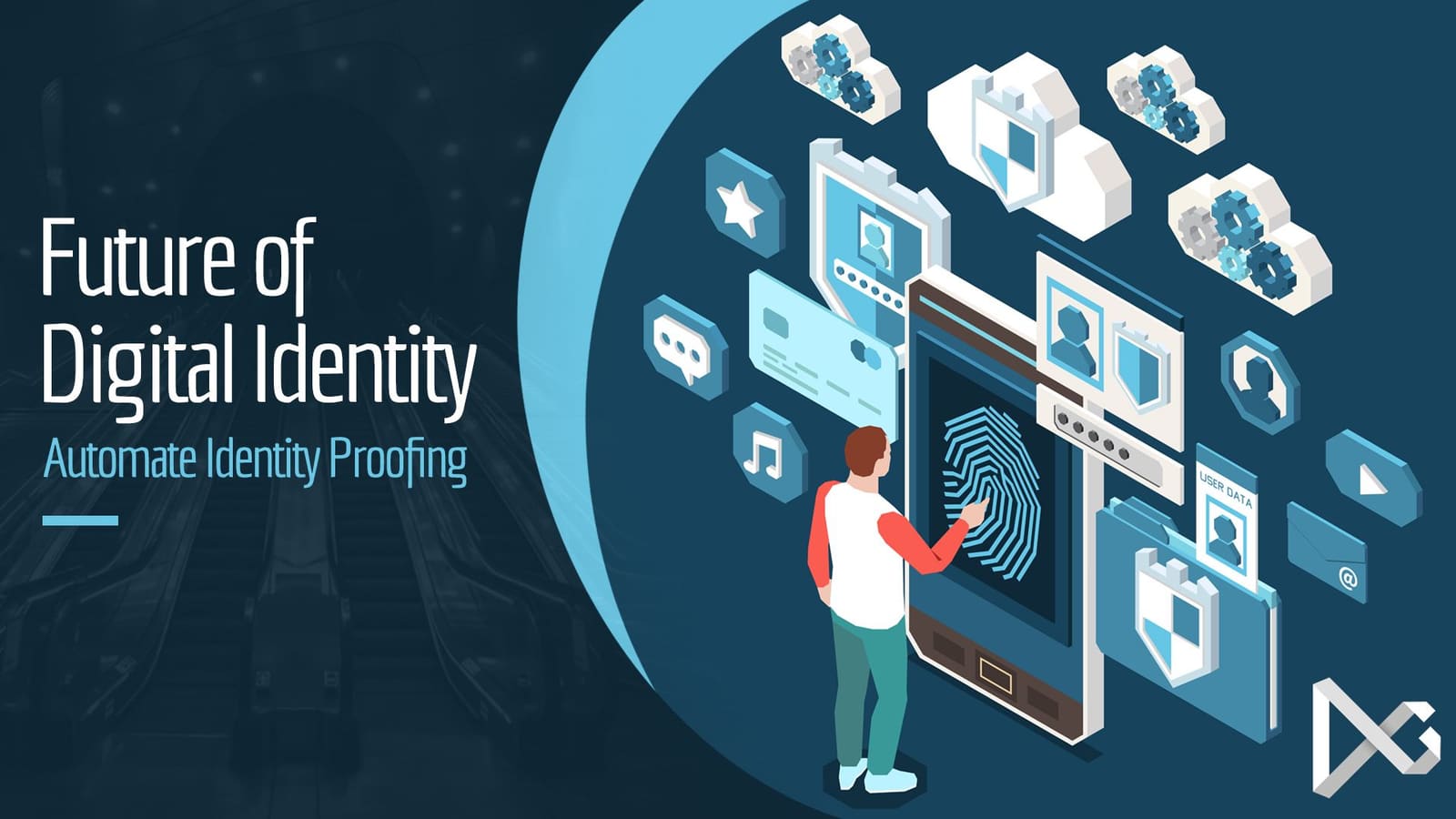
Follow my blog with Bloglovin [https://www.bloglovin.com/blog/21054273/?claim=rf6ng2jvpc4]When it comes to Digital Identity concepts, Authentication is
Many businesses are facing challenges in dealing with phishing attacks. Here’s an insightful read to defend against phishing attacks and improve your business.
Security problems are an alternative way to recognise your customers when they have forgotten their password, entered too many times the wrong passwords,
In the previous article (Guide to Digital Identity-Part 1 [https://medium.com/@dip_ak/guide-to-digital-identity-part-1-4b7c8fe45ee1]), we talked about the
Social login still has a place, but it is no longer the front door. A practitioner's view on when to use it, how to harden it, and what is replacing it.