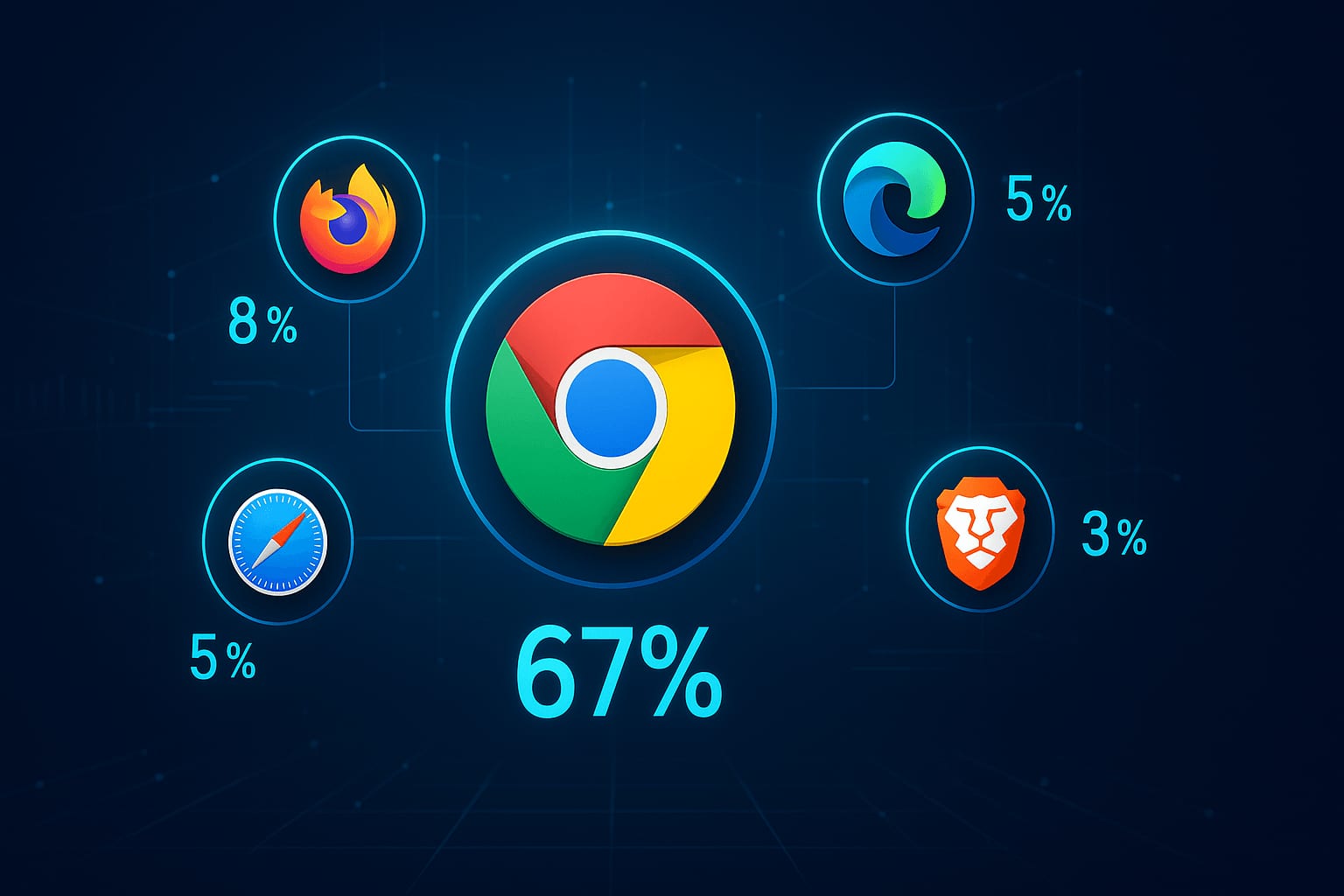
Every browser comparison argues about which to pick. This one is about the mechanisms underneath: how process isolation and sandboxing differ by engine, what each vendor's business model makes it collect, and why Chromium-based does not mean equivalent.
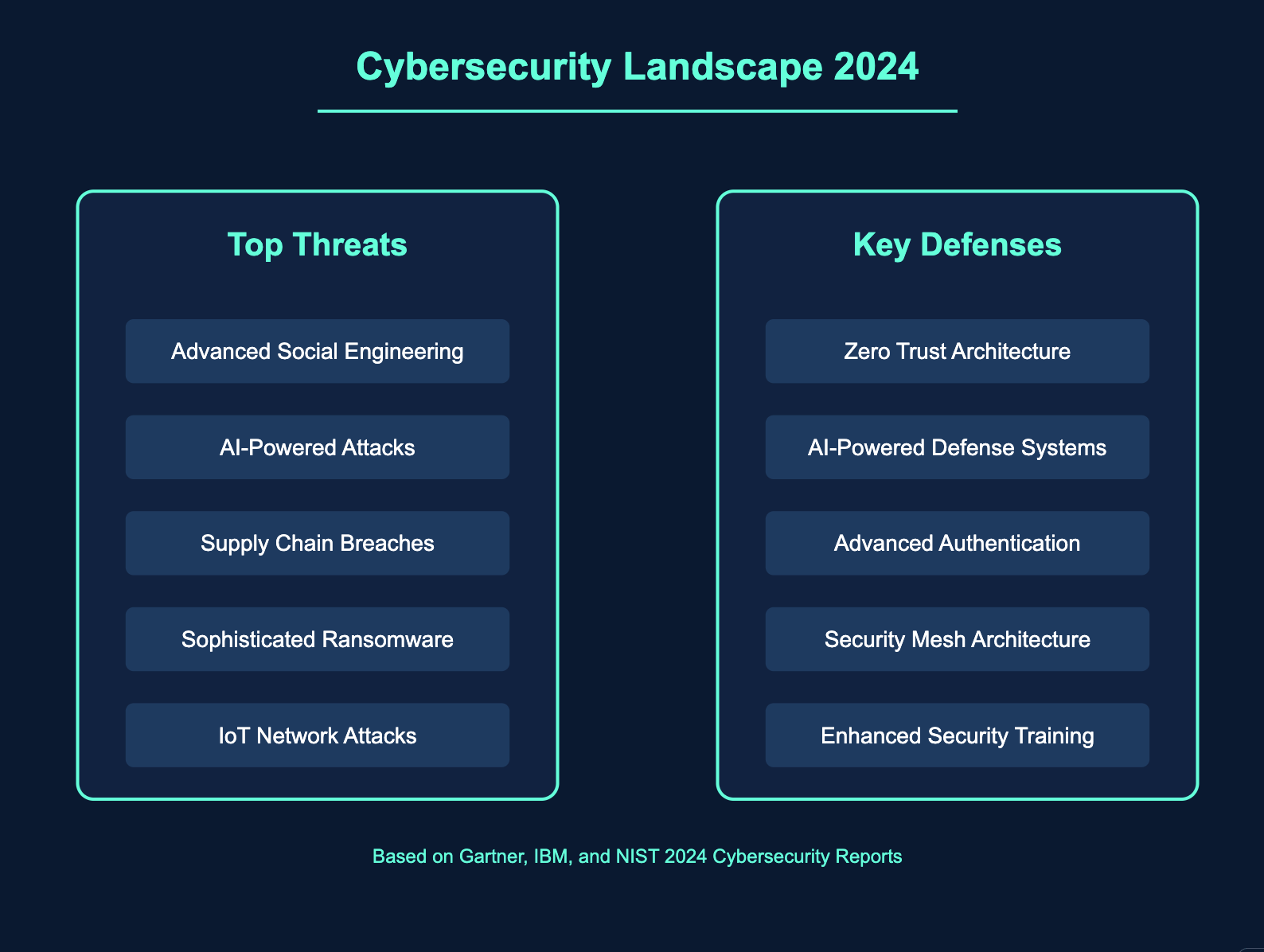
At RSAC 2025, the cybersecurity landscape underwent a seismic shift. This analysis reveals how autonomous AI agents, deepfake technologies, and quantum
The EU's Chat Control regulation is still being negotiated in August 2026, with encryption protections agreed but mandatory CSAM detection still an open question.
Secure coding is cheaper than the alternative because defects found in design cost a fraction of defects found in production. Here are the principles, the OWASP Top 10 categories, and how to verify.
In February 2025 Mozilla introduced Firefox's first Terms of Use and softened its long-standing no-data-sale language. Here is what changed, what Mozilla said it meant, and what it means for you.
CISA releases new Sector Specific Goals for IT and product design, focusing on software development security, product design enhancements, and industry
Hashing is a fundamental concept in computer science and security. This comprehensive guide explores what hashing is, how it works, and its crucial role
Learn how modern cybersecurity marketing is evolving with AI-powered solutions, bridging the gap between technical accuracy and marketing effectiveness.
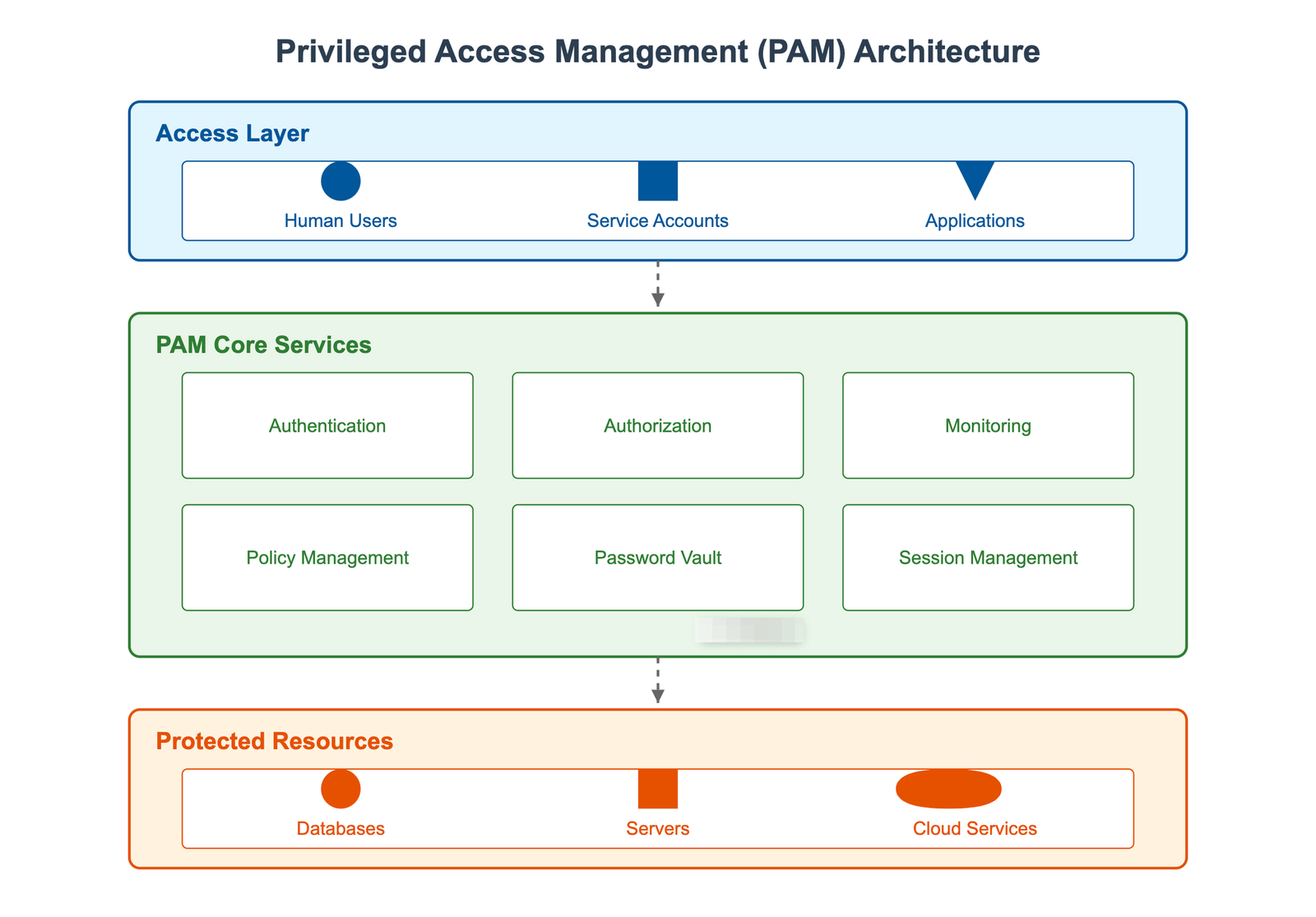
Privileged Access Management (PAM) is crucial in today's threat landscape. This guide explores what PAM is, why it's essential for your organization, and
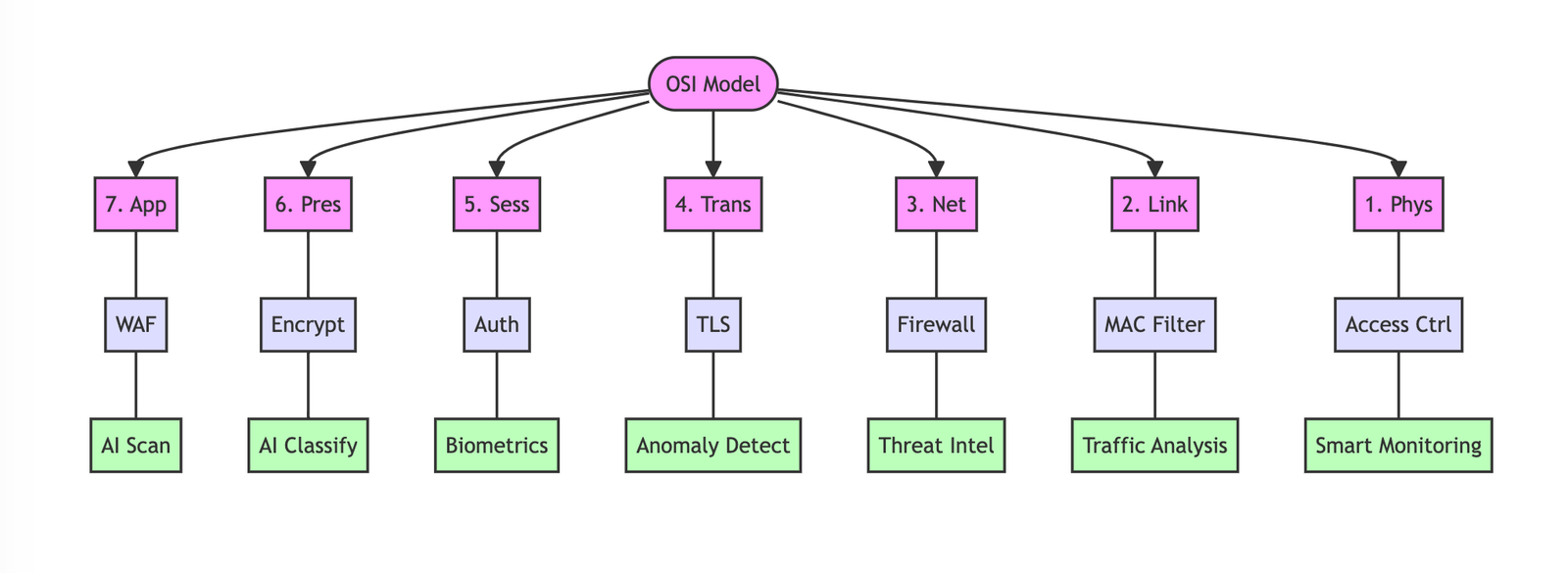
Explore the OSI model's 7 layers, their vulnerabilities in the cybersecurity landscape, and how AI is revolutionizing defense strategies for each layer.
A distributed workforce allows us to secure a globally connected world. It widens our talent pool, accelerates innovation, and increases our 24/7 vigilance
OTP fraud is on the rise. Can geo-fencing prevent it? Discover how this location-based technology helps, its limitations, and expert-backed strategies for
Learn how taking an internal, layered approach to cybersecurity – including training staff, controlling access, monitoring activity, and incident planning