

CISO
How to Choose the Right Cybersecurity Vendor: An Enterprise Buyer's No-BS Guide (2026)
Most enterprises select cybersecurity vendors using broken signals: checkbox compliance, paid analyst reports, and feature demos.
Breaches, scams and the people and processes attackers target. Sourced cases, regulation and practical defenses for security teams and ordinary users.
229 posts, newest first. Page 3 of 8.
Tags in this track:CybersecuritysecurityScamsfraudphishingsocial engineeringAccount TakeoverSIM SwapCISOcompliancePrivacyregulationsGovernance
Most enterprises select cybersecurity vendors using broken signals: checkbox compliance, paid analyst reports, and feature demos.

Three AI framework attacks in one week expose how classic vulnerabilities are hiding in AI's foundational plumbing, putting millions of deployments at risk.

The most powerful cryptographic primitive you've never heard of. Zero-knowledge proofs prove you know something without revealing what you know, and

ShinyHunters leaked 5.1M Panera accounts after extortion failed. Contact data can't be changed like passwords, it's permanent exposure fueling years of scams.

An employee saw the CFO on video. Heard colleagues speaking. Authorized $25M in transfers. Every person was an AI-generated deepfake.
Attackers are harvesting your encrypted data today to decrypt with quantum computers tomorrow.

Ransomware groups now steal trade secrets before encryption. Nike's 1.4TB theft included shoe designs, patents, supplier lists, IP worth billions.

60% of phishing breaches now bypass traditional MFA. Learn how AI-powered adaptive authentication and behavioral biometrics create continuous security
Google's $32B pursuit of Wiz shows security market consolidating. When hyperscalers own security vendors, customers lose pricing leverage and choice.

NIST finalized the first three PQC standards in August 2024. NSS compliance deadlines start January 2027.
Millions installed 'productivity' Chrome extensions that became malware after acquisition.
AI didn't just create new attack surfaces. It fundamentally changed who, and what, is requesting access in your environment.
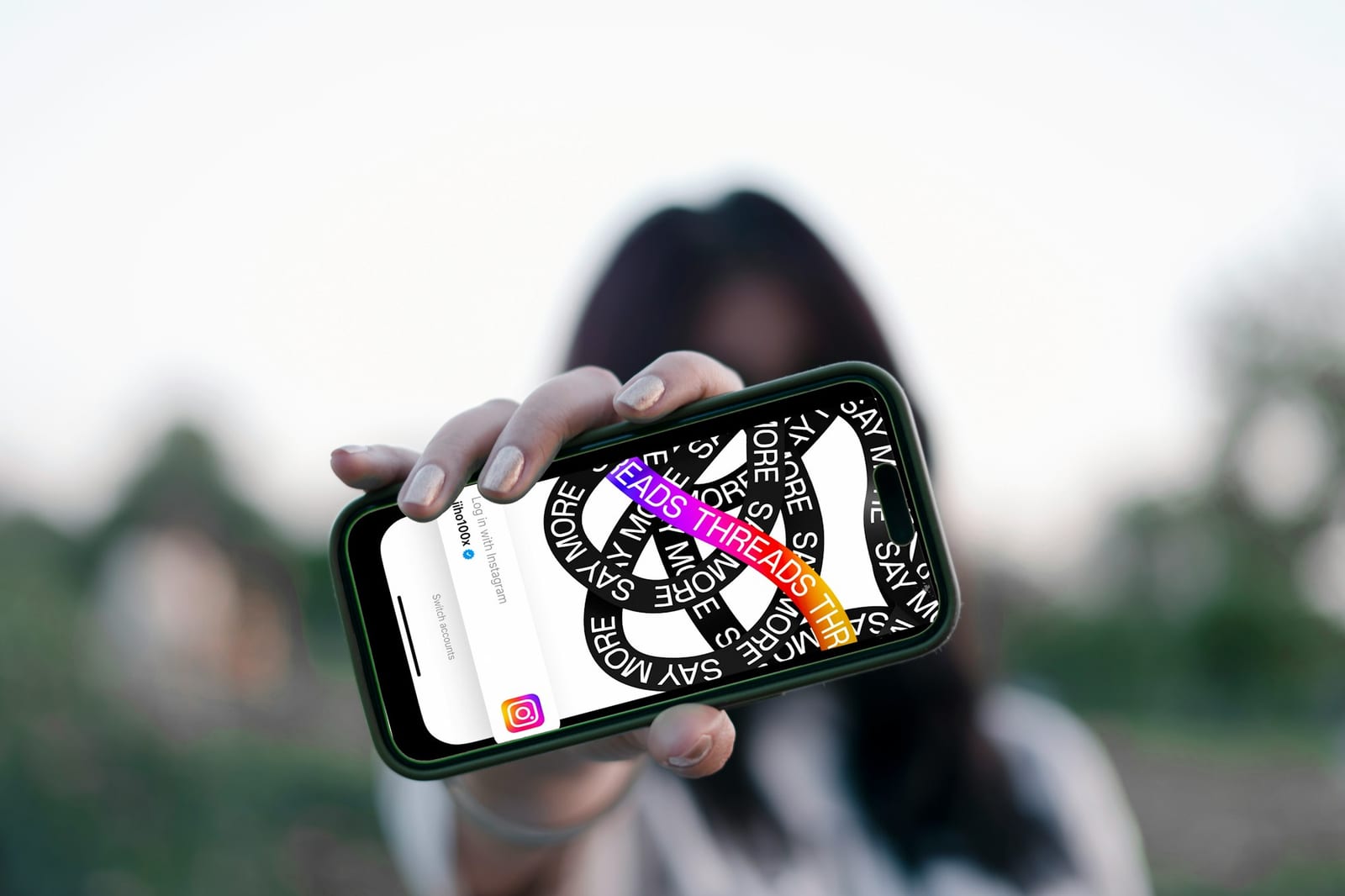
17.5 million Instagram accounts leaked through API scraping. Meta denies breach, but your data is on the dark web. Here's what actually happened.

Most Zero Trust initiatives stall not because the technology is wrong but because the approach is.

Zero Trust isn't magic. It's a specific set of architectural components working together, policy engine, identity fabric, device trust, microsegmentation,

Zero Trust flips the old security model on its head. Instead of trusting everyone inside the network, it trusts no one by default, and that shift changes

3 million patients couldn't access healthcare after PIH Health's ransomware attack. Here's why hospitals are ransomware's favorite target, and what changes.

AT&T's $177M settlement covers 73M customers, but the real story is how breach data from 2019 just resurfaced in 2026 with fully decrypted SSNs. Here's why.
TikTok's new U.S. ownership brought privacy changes that sparked mass deletions. Here's what actually changed and what it means for your data.

From AI agents and MCP to cybersecurity threats - discover the podcasts that industry leaders rely on.

One in five law firms isn't sure if they've been hacked. Don't be one of them. Learn the 5 cybersecurity risks that could shut down your practice and
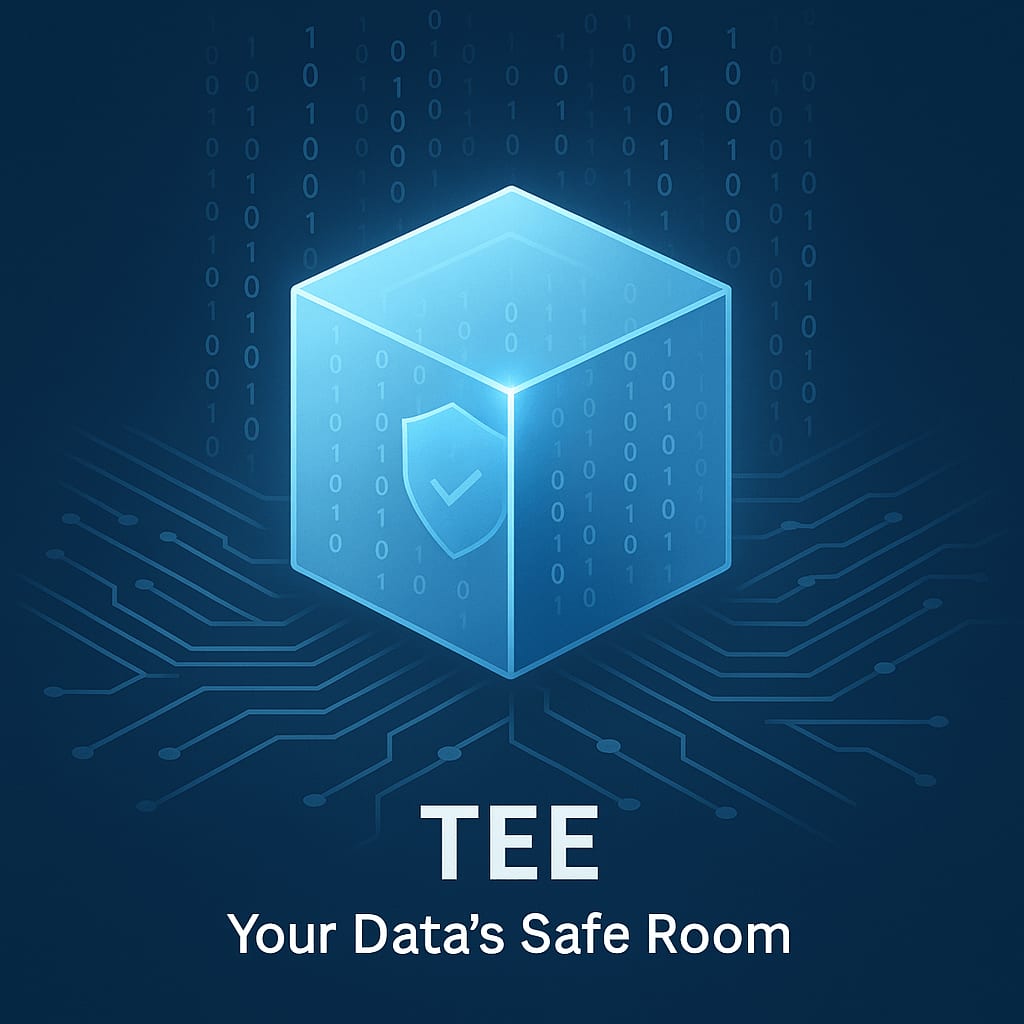
Your firewall can't protect data from rogue admins or compromised systems. TEEs create hardware-secured "safe rooms" inside processors - protecting your
Master login security with expert insights from building identity systems serving millions of users.

Your digital footprint tells your life story through bank statements, emails, photos, and location data.

Master personal data security using Six Thinking Hats methodology. This strategic framework examines data protection through six distinct perspectives -
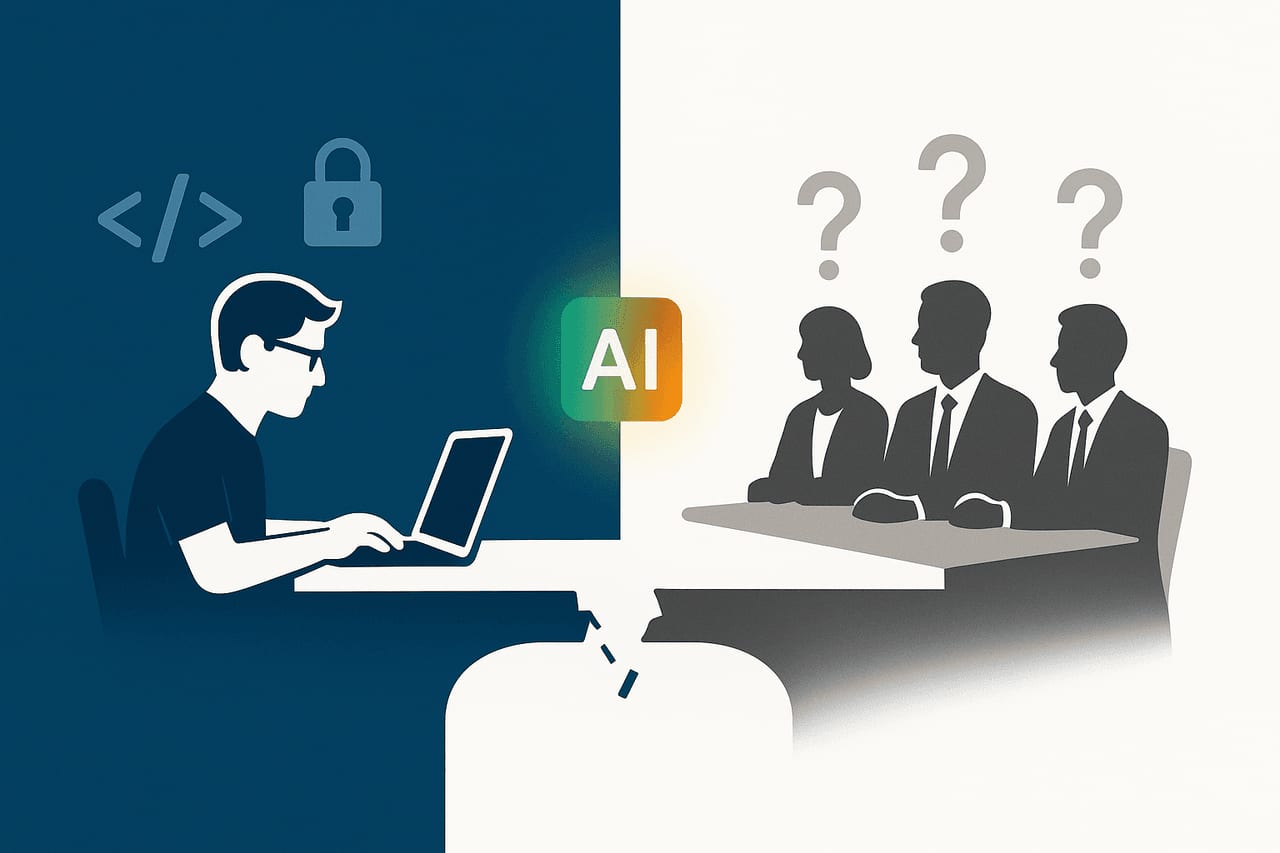
Great cybersecurity products fail daily. Not because of bad technology, but because technical founders can't translate complex security solutions into
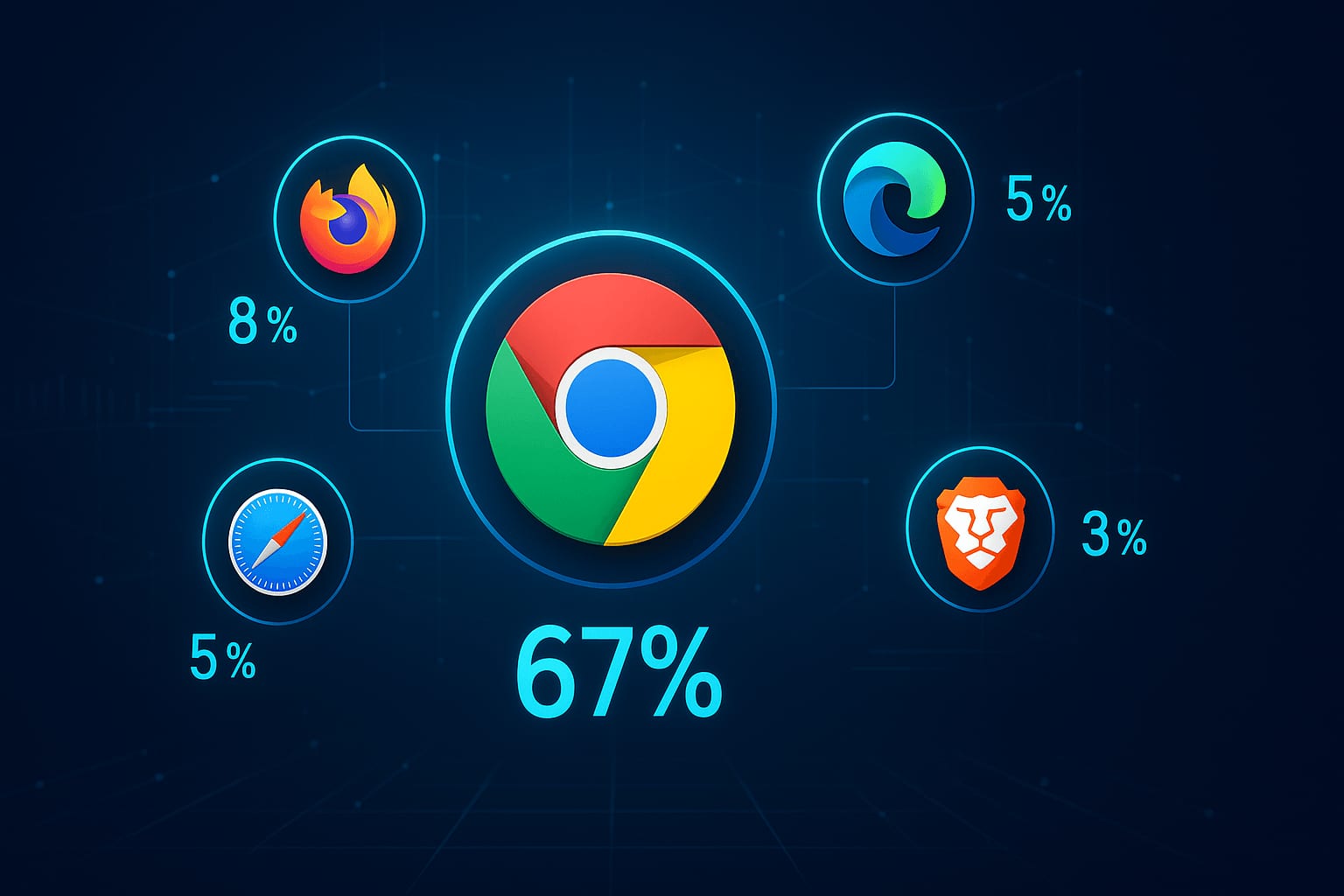
Every browser comparison argues about which to pick. This one is about the mechanisms underneath: how process isolation and sandboxing differ by engine, what each vendor's business model makes it collect, and why Chromium-based does not mean equivalent.
Security researchers discovered 16 billion stolen passwords from Apple, Google, Facebook and more.

How did a $400 million data breach happen at Coinbase? It wasn't a tech failure, it was a human one.
Your data is constantly at risk, but who's required to tell you when it's compromised?