
authentication
Will Decentralized Auth Change the Perception of Consumer Identities in 2022?
Whether we talk about inappropriate data collection or a loophole in managing consumer identities, anything could lead to compromised sensitive
How people prove who they are online, and how products get that right at scale. Passkeys, MFA, account recovery, CIAM architecture and the standards underneath them.
190 posts, newest first. Page 5 of 7.
Tags in this track:CIAMAuthenticationpasskeysPasswordlessMFADigital IdentityidentityIAMCustomer Identitydecentralized identityFIDOWebAuthnoAuthauthorization
Whether we talk about inappropriate data collection or a loophole in managing consumer identities, anything could lead to compromised sensitive

Machine identities now vastly outnumber human ones in most companies, and they are poorly governed. Here is the risk and the fix.
Businesses have to be extra vigilant in safeguarding customer data. Minor mistakes can cause a massive data breach, violating data privacy regulations and

What does it mean if everyone’s an identity driven company? Before answering that question, let’s define what it means to be an identity-driven company.

Decentralized identity is becoming a reality for users of blockchain-based applications, and it’s thanks to the proliferation of unique, verifiable identifiers.

One identity behind the scenes, full brand expression in front of it, and consent scoped per brand. The architecture that survives an audit.

The increasing number of account fraud and consumer data breaches indicate an immediate need for a robust mechanism to mitigate the risk.
To verify the identity of clients, many security-minded organisations use multi-factor authentication.
Credential stuffing exploits password reuse at industrial scale. Here is how it works and the layered defences that actually stop it.
Identity as a Service is the cloud-delivered form of IAM. What IDaaS includes, why companies pick it, and how to evaluate the major platforms.

The golden terms for a hacker to access your personal information and get access to all your accounts are hacked emails.
Corporate account takeover attacks let criminals impersonate employees, drain accounts, and pivot inward. Here is how to detect and stop them.

Identity Governance and Administration is the policy and audit layer on top of IAM. Why every mid-sized organization now needs it and what to evaluate.

Many users switch websites when they are bombarded with lengthy registration forms too early. The solution to this is lazy registration

Account sharing on streaming platforms is now a revenue and security problem. Concurrent-session limits are a key part of the answer.
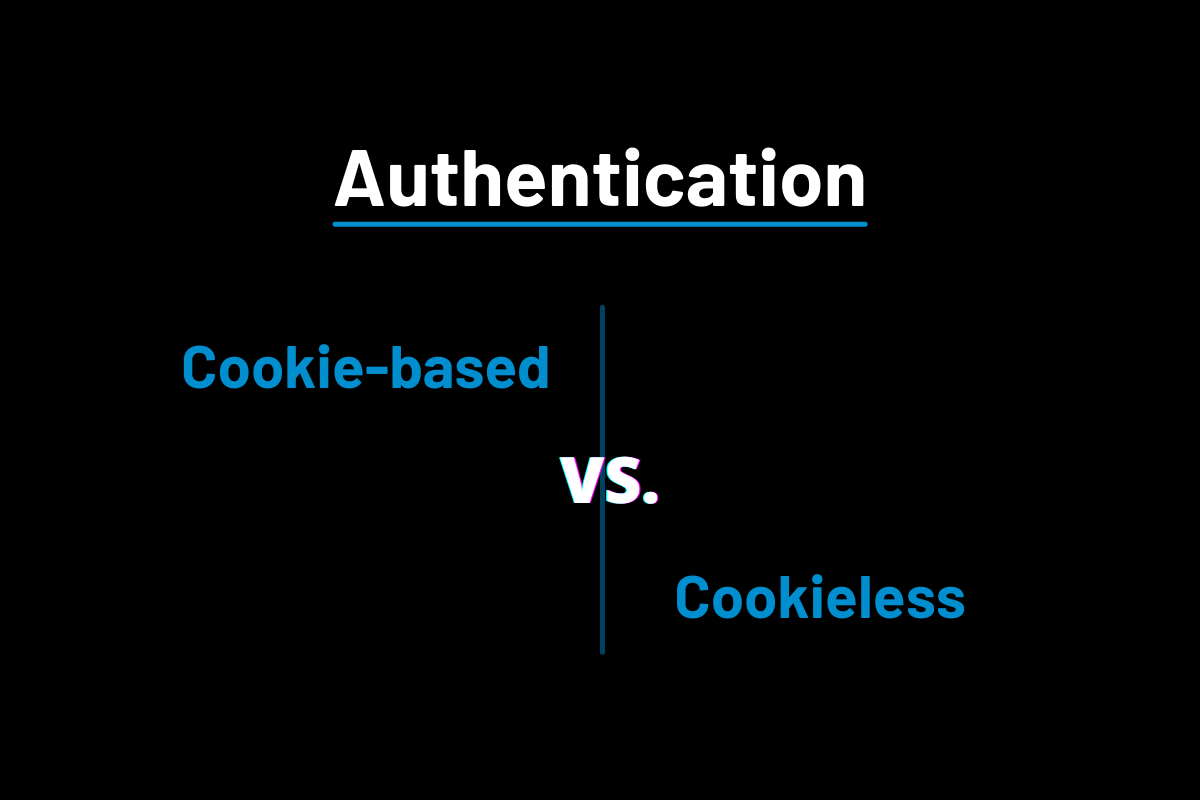
Cookies vs. JWTs for authentication: how each works, where each fits, and why most modern systems run both side by side across web, mobile, and API surfaces.

A practical guide to turning on two-factor authentication across the accounts that matter, with the right method for each.
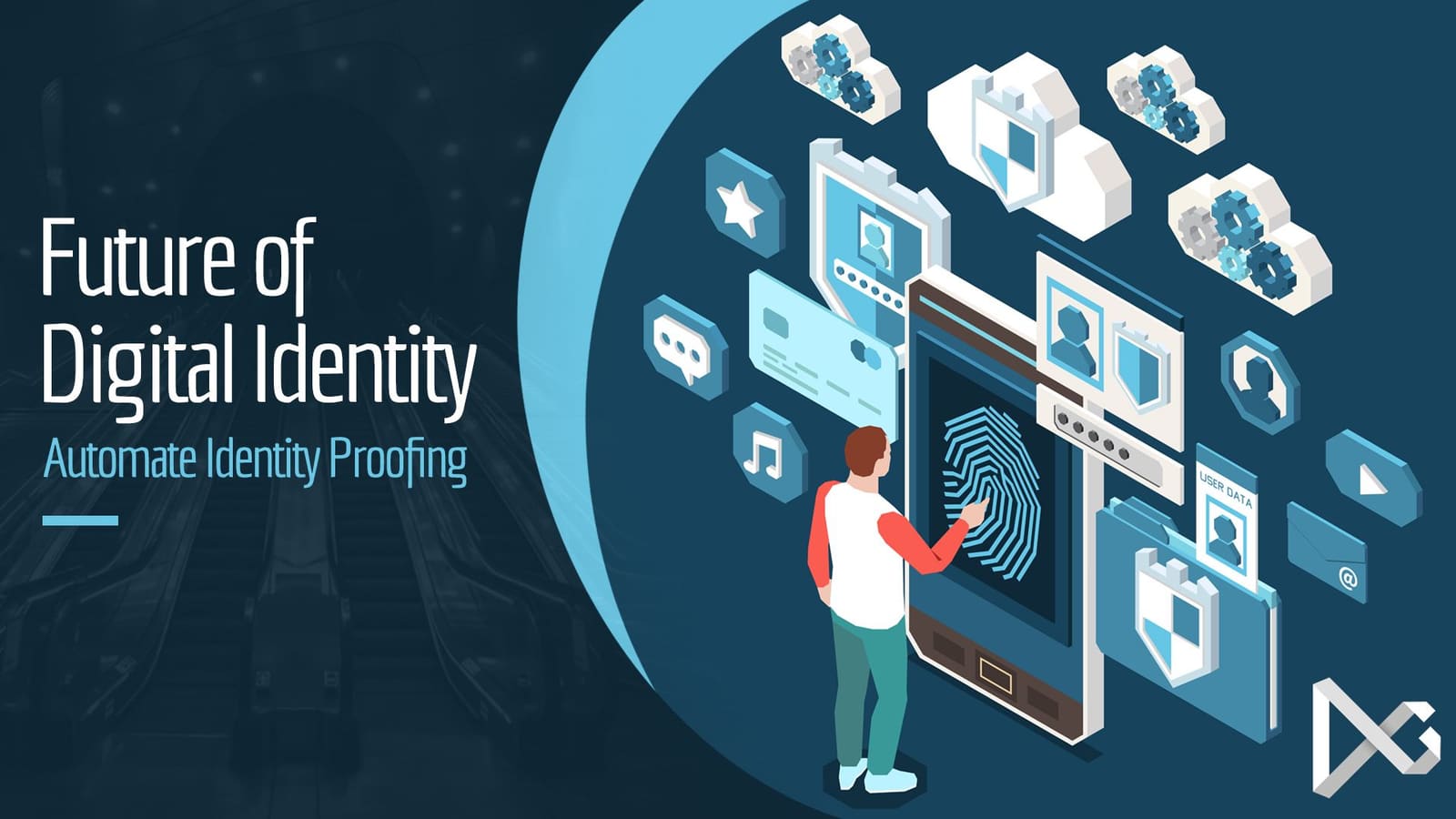
Forward-looking businesses are using artificial intelligence to solve real-world digital identity challenges.

Enterprises need to use methods to maximize the use of digital identities for multiple users.

Digital transformation has become the need of the hour for every consumer-focused business today

Retail identity is uniquely hard: high volume, low margin, omnichannel, and fraud-heavy. Here are the challenges and how to address them.
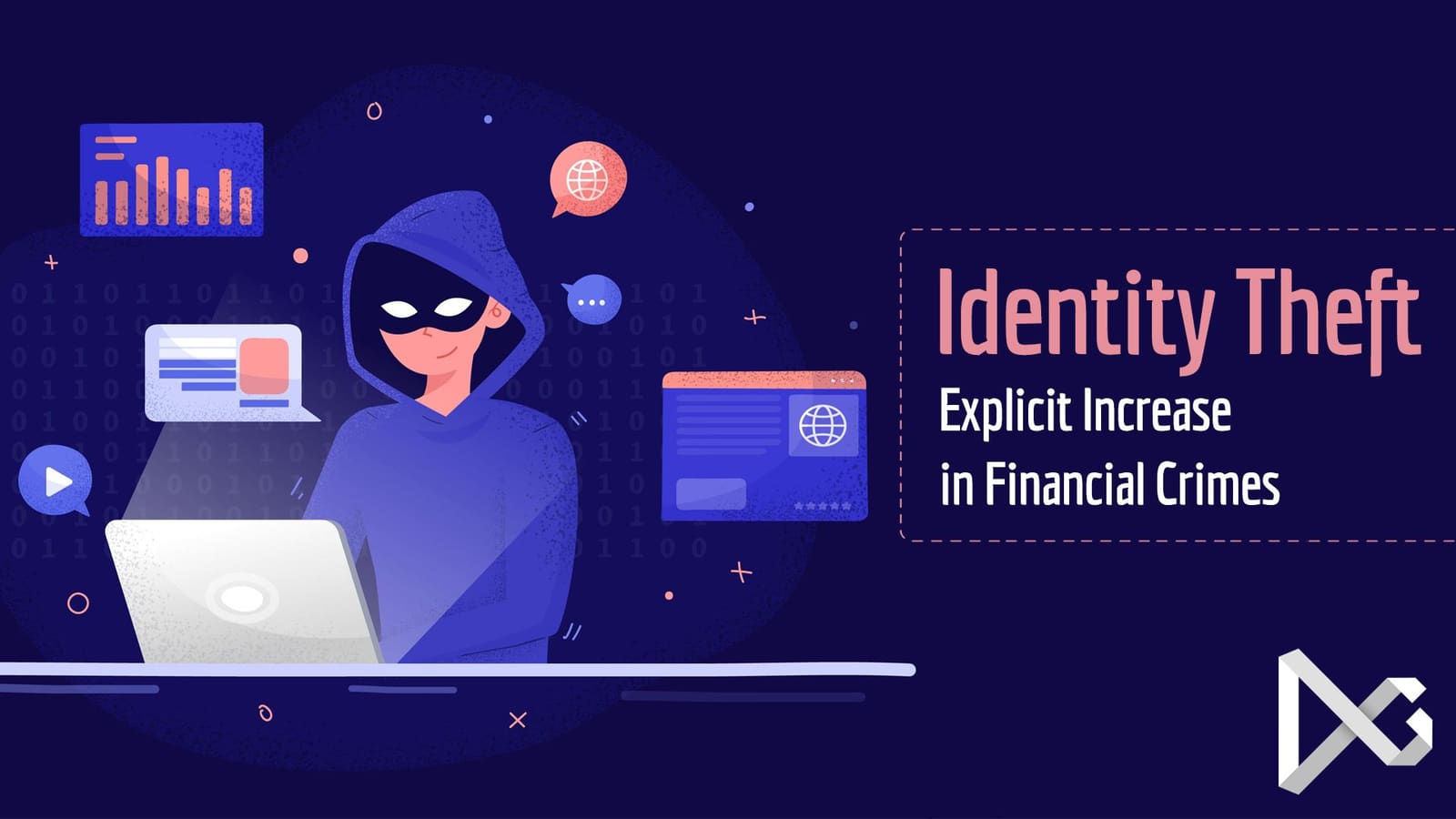
Using someone's PII such as driving license number, social security number, address, credit card details, and name to perform different crimes and

What are the challenges businesses face related to identity management in IoT

Authentication is usually fine. Authorization is usually improvised. An IAM architect's 2026 view of enterprise application security.

SAML and OIDC both enable single sign-on. They have different strengths and the right choice depends on the audience you serve.
Why enterprises should consider zero trust security when it comes to their data privacy & security.

An identity provider centralises authentication for every app you run. Here is what it does and why it is one of the highest-ROI infrastructure investments.

The Internet of Things (IoT) is creating an exciting new world of new and improved experiences for all.
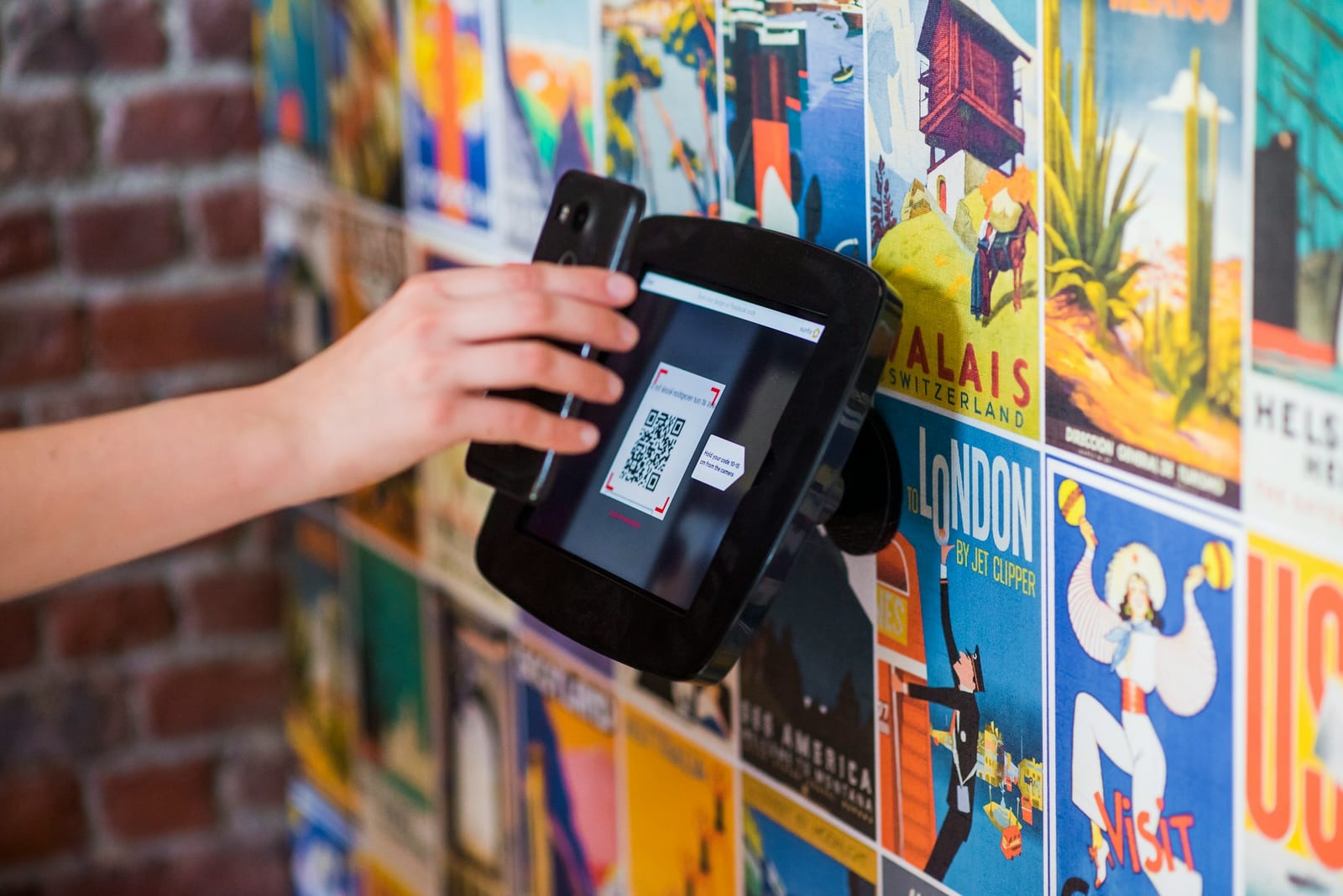
Follow my blog with Bloglovin [https://www.bloglovin.com/blog/21054273/?claim=rf6ng2jvpc4]When it comes to Digital Identity concepts, Authentication is

Login is a big deal that decides the entire UX your website is going to deliver. Businesses should try to put as little resistance as possible into their