A decision framework for enterprise passkeys: when device-bound hardware keys beat synced passkeys, mapped to user risk, device context, compliance, and total cost. Includes the three failure patterns that surface only after rollout.
Passkeys, post-quantum crypto, silent network authentication, AI behavioral biometrics, and decentralized identity are fusing into one login stack. Here is what it looks like by 2030, and the two moves in 2026 that decide whether you are ready.
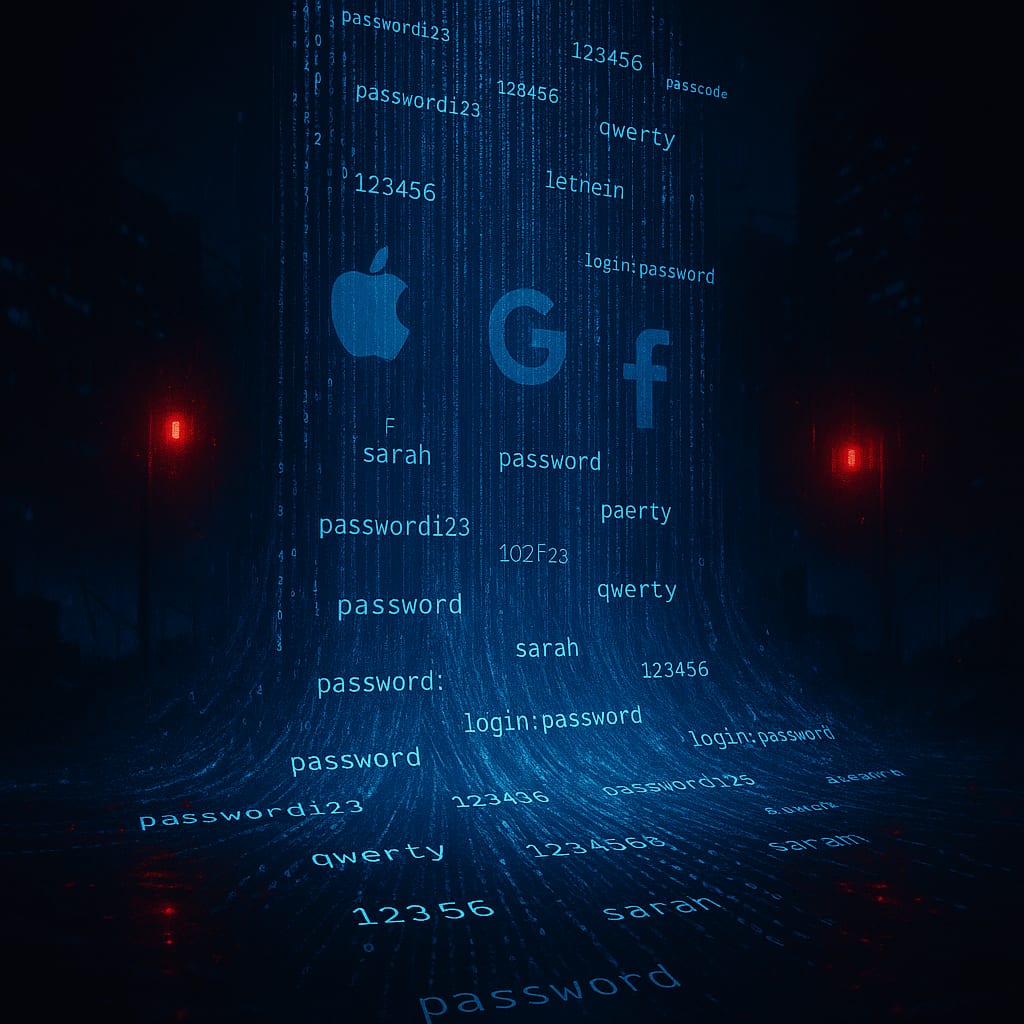
24 billion stolen credentials in one database. 8.3TB of plaintext passwords and login URLs harvested by infostealers. The credential economy has scaled.
Scaling a CIAM platform past a billion users taught me that customer identity is a trust problem: progressive profiling, risk-based auth, and passwordless done right.
We cancelled Auth0 over a year ago. Not because it stopped working, but because scaling to 350,000 monthly active users made the pricing model untenable.
1Password for polish, Bitwarden for free and open source, Keeper for compliance. Ten password managers compared on verified 2026 pricing, audits and passkeys.
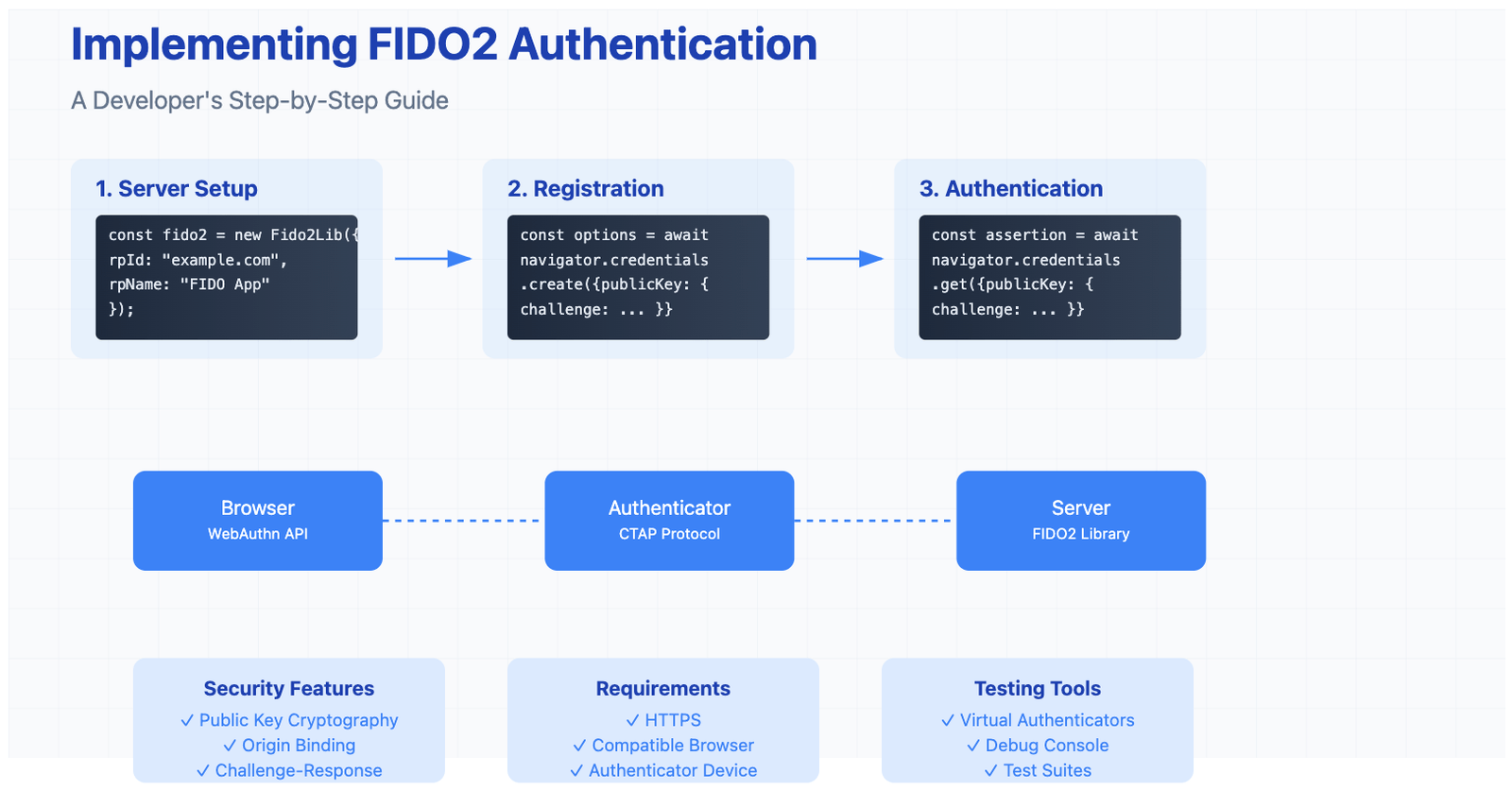
Production authentication patterns for OAuth 2.0, OIDC, JWT, SAML, and WebAuthn, including the build-versus-buy maths and the storage and session decisions that are expensive to reverse later.
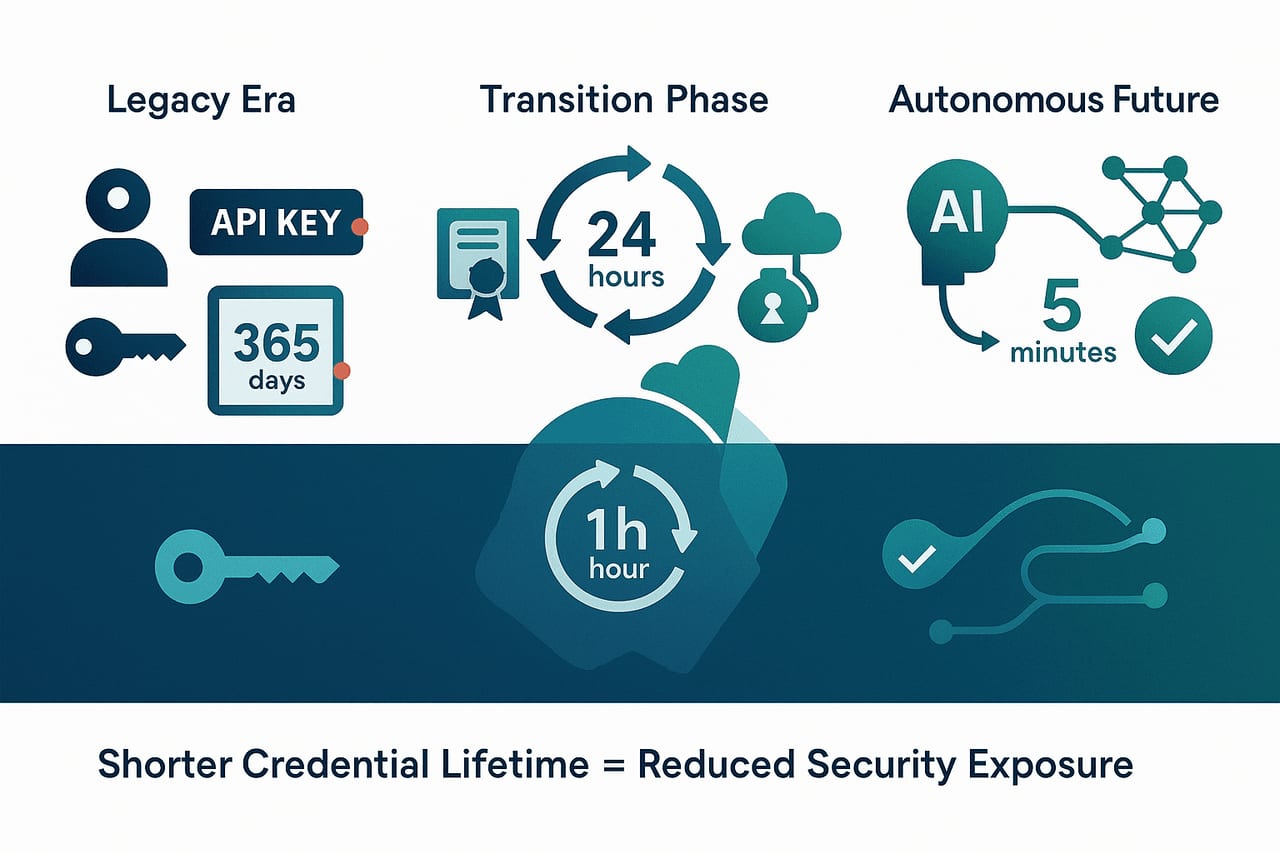
Static API keys scattered across repositories create exponential security debt as AI scales. The solution? Credentials that live for minutes, not months.
Ten passwordless CIAM platforms compared on verified September 2026 pricing and real passkey depth, plus three vendors to drop from an older shortlist.
AI password generators are a transitional tool, not a destination. Here is what they genuinely add over a standard random generator, and where the honest answer is to move to passkeys instead.
Synced passkeys for most users, device-bound FIDO2 keys for admins, push as a bridge. The full comparison on security, cost, assurance level and rollout.
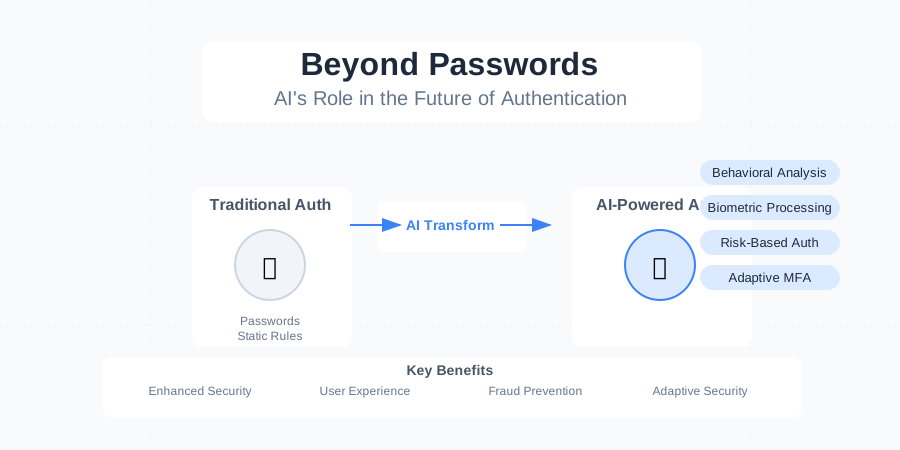
Tired of passwords? AI is ushering in a new era of authentication! This post delves into cutting-edge technologies like behavioral biometrics, risk-based
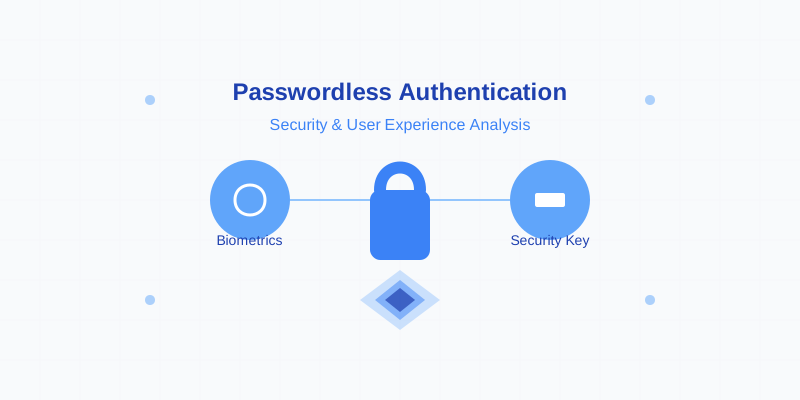
Passwordless authentication is becoming more popular among businesses prioritizing their users' and employees' security and digital experience. Here's why.