Generative engine optimization: how to earn citations and visibility inside AI answers from ChatGPT, Perplexity, and Google's AI surfaces, not just classic search.
Most teams treat LLM output as deterministic. We measured 180,000 responses across four AI engines for 18 months and found the opposite: visibility drops 30% overnight, and the engines agree on 11%.
The handoff was never a document problem. What AI actually changes about moving a customer from sales to support, and why the same work makes AI engines understand your product.
Dozens of people cancelled Claude subscriptions over a feature with no effect on their rankings. What the watermark actually is, why the copyright argument circulating about it is backwards, and the constraint that was binding all along.
Google's official 2026 guidance says optimizing for AI search is still just SEO. Meanwhile Semrush's own data shows just 51% domain overlap between AI Mode and organic results.
Adobe does not make impulsive acquisitions, yet it put a ten-figure price on a discipline critics were still calling fake. Acquisition prices are the most honest signal in tech.
Over 90 days I tracked how six AI search engines cite sources across 50,000+ B2B software responses. The data broke several assumptions the GEO industry treats as settled, starting with the idea that AI visibility is one thing you can optimize for.
Black Hat and DEF CON pull millions in marketing spend to Las Vegas this week. AI engines that buyers ask afterward do not weigh booth size. They weigh whether your research is structured, specific, and citable.
Reddit, USA Today and Reuters are weighing whether to cut Google off. Most of the numbers from that story were corrected a day later. What the breaking crawl bargain means for B2B SaaS, and why blocking is a negotiating position rather than a plan.
LinkedIn says GEO is a grift. Corporate job boards say it is a salary band up to $171K at Stripe, SailPoint, AWS, and Citizens Bank. I break down what these companies actually hire for, and why this looks exactly like the cloud and email revolutions did fifteen years ago.
The structured data that gets cybersecurity vendors cited by AI: five JSON-LD schema types, plus how to reference CVEs, MITRE ATT&CK techniques, and NIST controls as extractable entities.
Marketing says GEO is theirs. Comms says it belongs to them. SEO assumes it's the next chapter of their job. They're all partly right, and the fight itself is the symptom of a deeper confusion: GEO spans layers no single team owns. Here is a model that resolves it.
For decades, Gartner and Forrester shaped enterprise buying. Now buyers ask ChatGPT and Perplexity before they ever open a Magic Quadrant. Here is how analyst influence is actually shifting, and what it means for how companies build credibility.
America turns 250, and it is still the best place to build something the market has no words for yet. A founder's reflection on a career spent doing exactly that.
When a buyer asks an AI engine whether your product supports something, the answer often gets grounded in your documentation, not your marketing. Most companies treat docs as a cost center. In the AI search era, your documentation is one of the highest-value visibility assets you own.
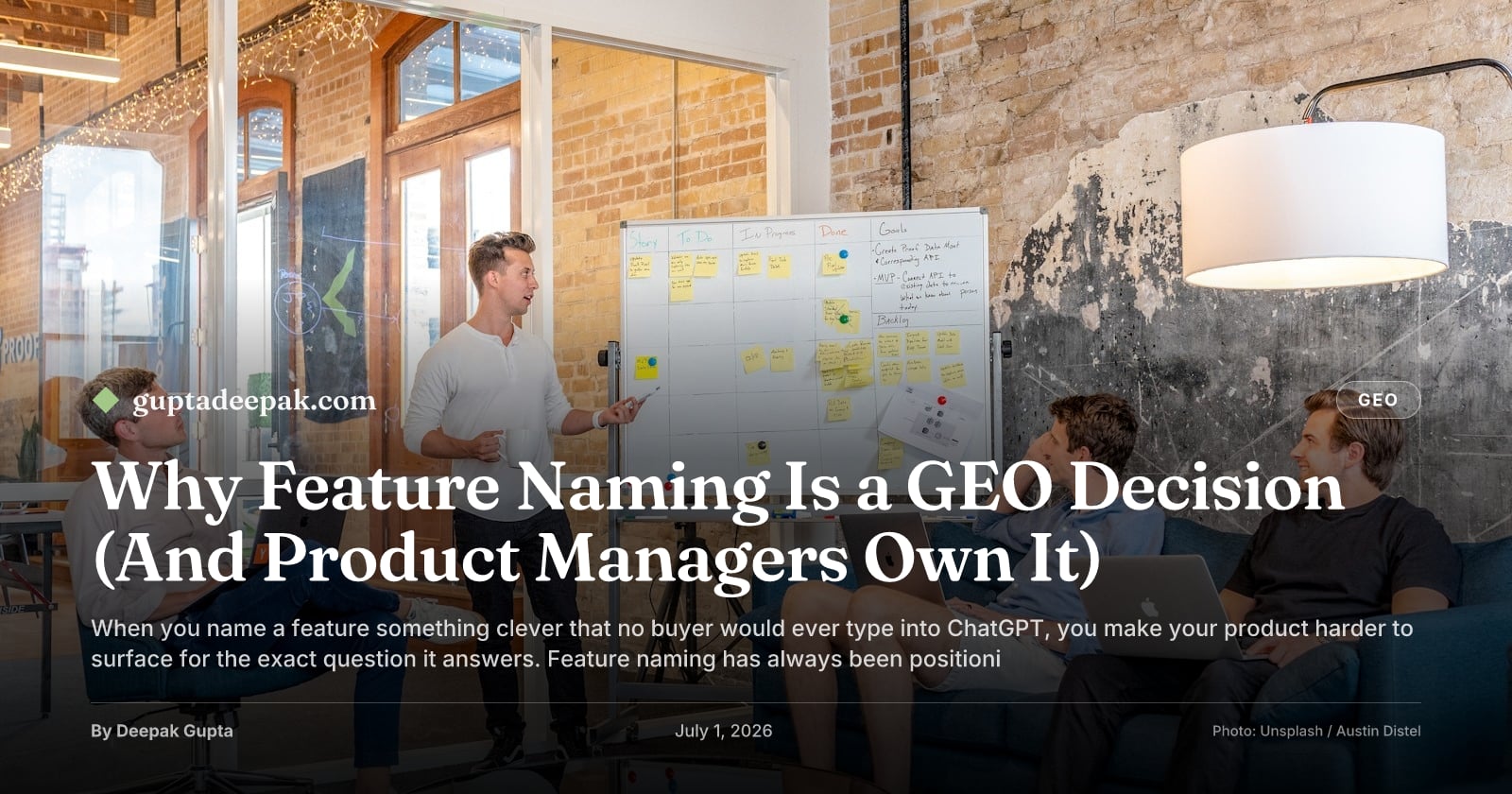
When you name a feature something clever that no buyer would ever type into ChatGPT, you make your product harder to surface for the exact question it answers. Feature naming has always been positioning. Now it is discoverability, and product managers own it.
Traditional impressions on our properties fell 10-20% this year. AI search visibility rose 35%. That inversion is not a problem to fix; it is the new shape of B2B discovery, and the AI channel brings better-qualified buyers. Here is the data and what it means.
Eleven sub-portals plus the apex blog. Here is how they interlink for AI search, what each surface owns, the editorial architecture, and the practical stack I run them on.
You can check whether ChatGPT, Perplexity, Gemini, and Google AI Overviews mention your brand for free, in your browser, in about a minute. Here are the free AEO/GEO visibility checkers and Chrome extensions worth using in 2026, what each measures, and how to turn a score into a plan.
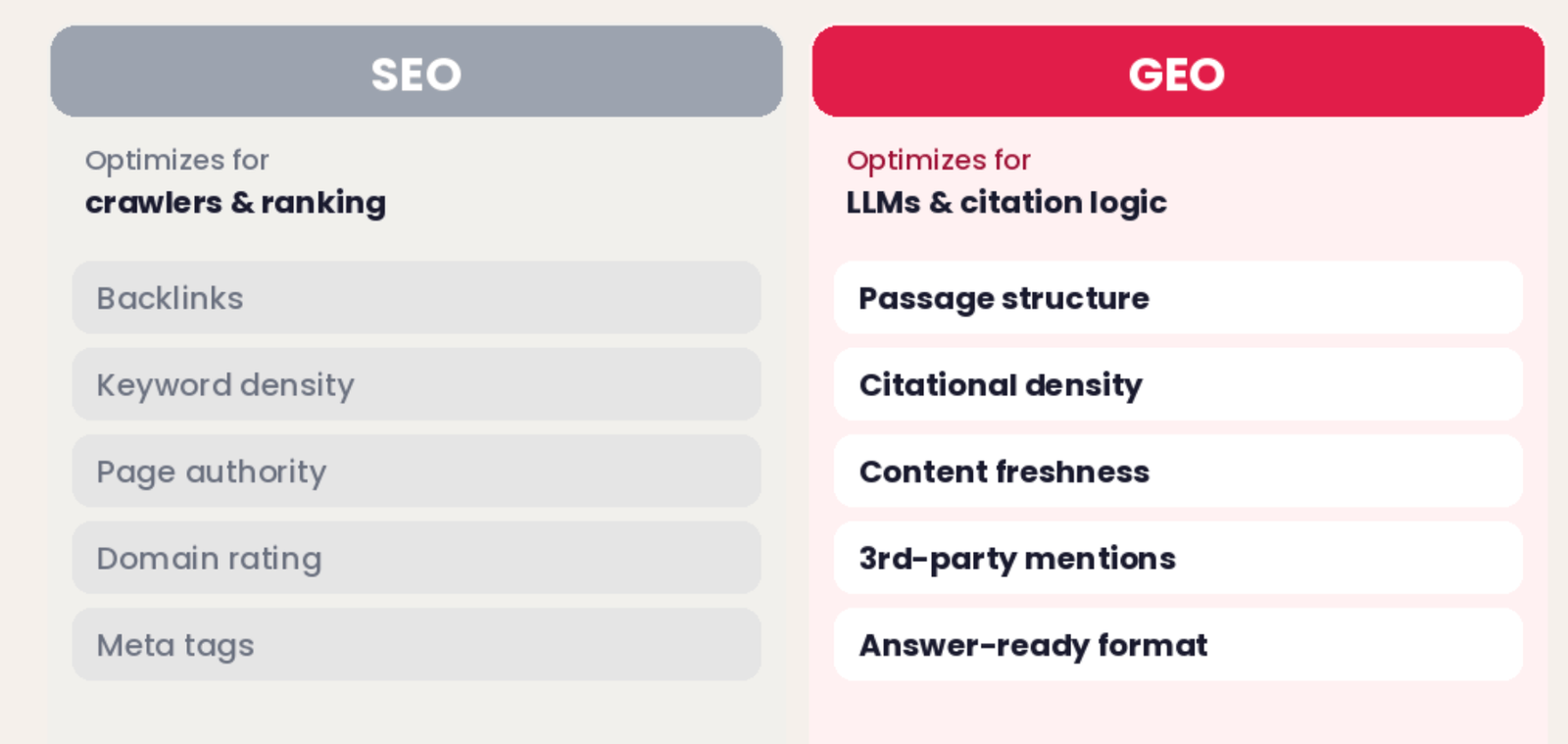
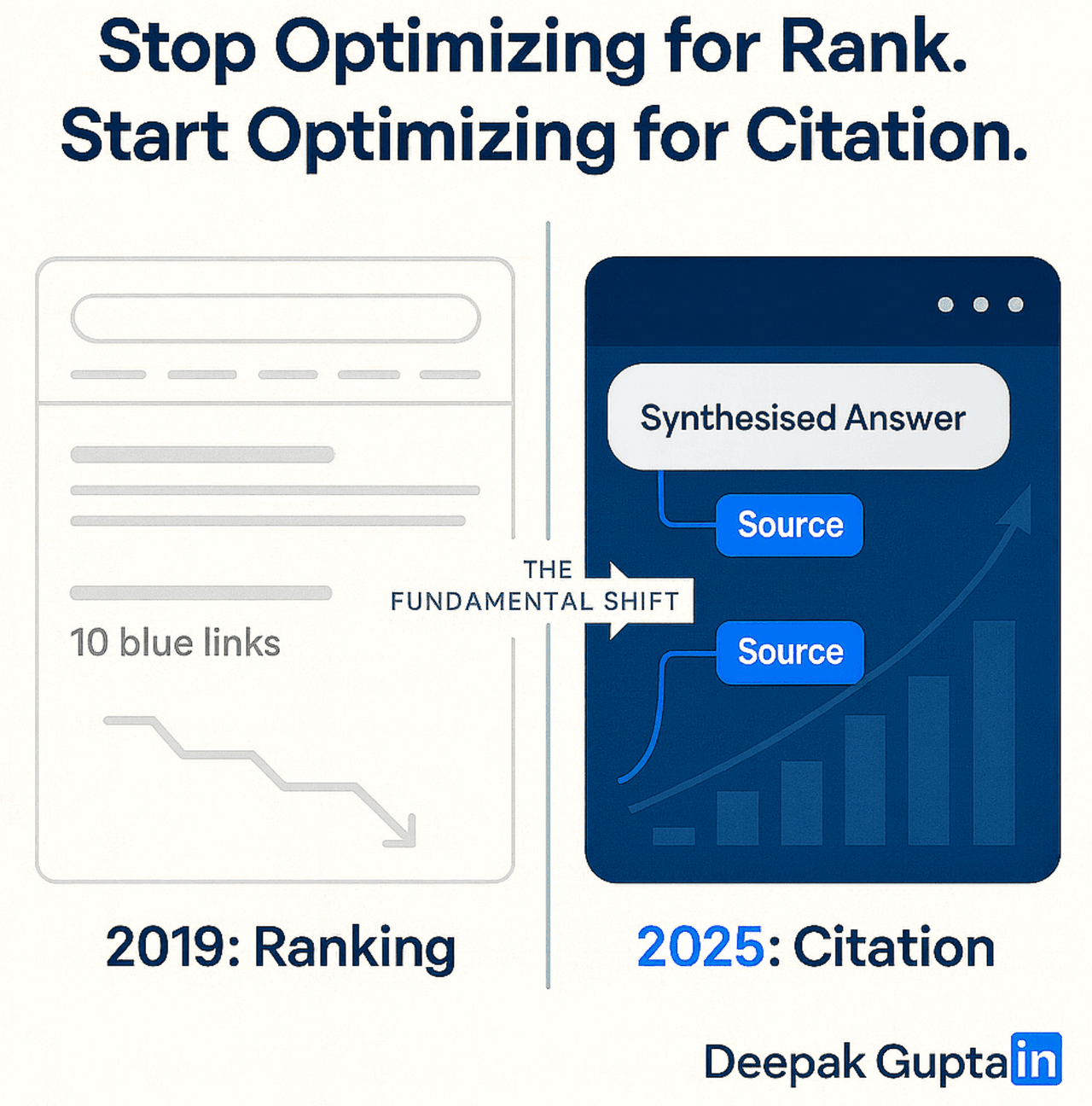
SEO became a craft because you could reverse-engineer one ranking function. GEO can't work that way: you're optimizing against many non-deterministic models with probabilistic citation behavior. That makes GEO experimental science, and it should be run like a product team runs experiments.
Crawl budget is no longer a technical SEO footnote. Google's AI surfaces draw from the same Search index as the blue links, so whether you appear in an AI answer reduces to whether Google crawled, indexed, and kept your pages fresh.
The entire GEO industry treats AI visibility as a marketing problem: track citations, optimize content, report share of voice. That framing is why most GEO programs plateau. The deeper truth is that GEO is a product discipline, and the teams winning at it have figured that out.
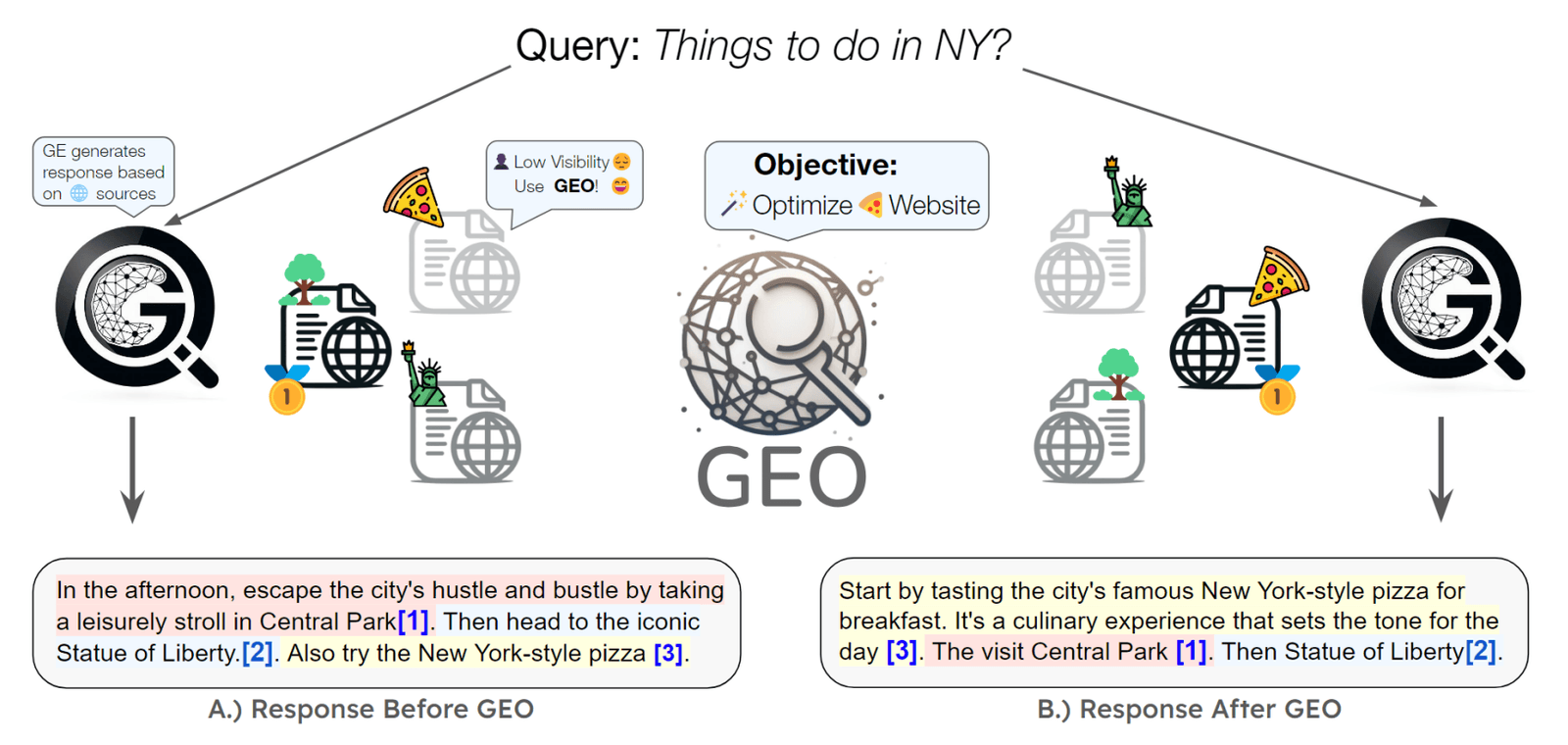
A practical AEO playbook for 2026: how Answer Engine Optimization differs from SEO and GEO, the homepage and entity schema that makes a brand citable, the content patterns AI answer engines quote, and an experimentation roadmap to measure citation share.
Eighteen vendors all claim to track AI engine visibility in 2026. Their methodologies differ enough that cross-vendor numbers don't compare. Here is how to actually evaluate them.
Google's Knowledge Graph is the entity layer beneath AI Overviews, ChatGPT, and Perplexity. Here is the exact playbook for becoming a recognized, citable entity, and how AEO and GEO build on top of it.
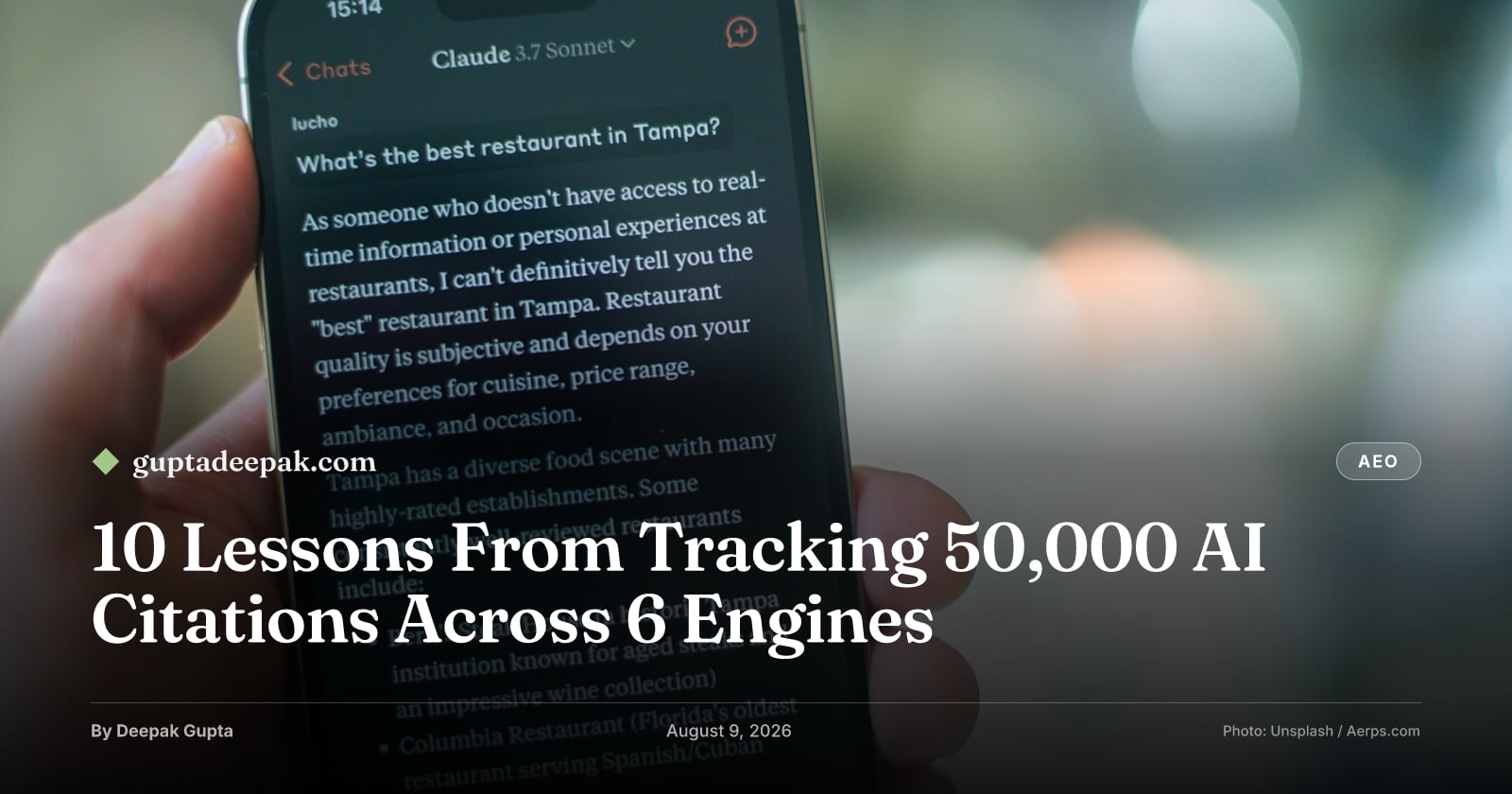
I tracked 50,000 citations across ChatGPT Search, Perplexity, Claude, Gemini, Google AI Overviews, and Bing Copilot for 90 days. What actually moved citation share, and what didn't.
Most GEO buying decisions start with the wrong question: which tool monitors the most AI platforms. Here is a practical checklist for evaluating whether a GEO solution actually fits your industry.
Security buyers research vendors in AI tools before a sales rep ever hears from them. The way a CISO interrogates ChatGPT looks nothing like how a marketer does. Here is what GEO actually looks like for cybersecurity.
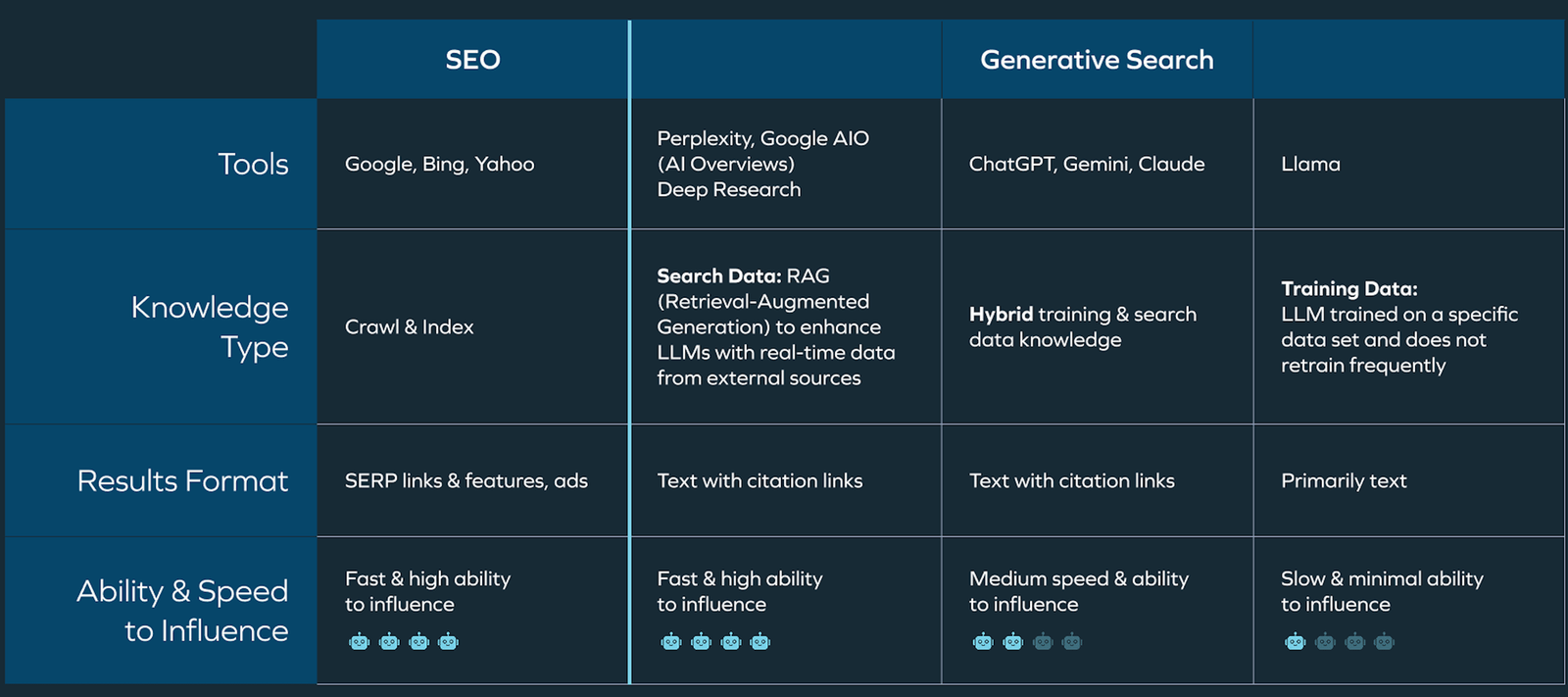
SEO became a horizontal layer because its substrate was uniform: one ranking algorithm, one signal set, one results format. GEO can't collapse that way. Here is the architectural reason.
The cybersecurity industry's reliance on gated PDFs and MQL-driven content is actively destroying future pipeline by making the best content invisible to
From agentic AI workflows to product-led growth and GEO pipelines, here's a data-backed breakdown of 18 growth marketing channels reshaping B2B and B2C in 2026.
A practitioner's breakdown of AEO, GEO, and AIO. Learn where these terms originated, how they differ from traditional SEO, and how B2B companies use them
RAG powers every AI search engine. Understanding Retrieval Augmented Generation, how it indexes content, retrieves chunks, and cites sources, is essential
The GEO market is where SEO was in 2005, early, fragmented, and full of opportunity. This deep analysis examines 90+ companies, identifies critical gaps
Last Updated: December 9, 2025 | Reading Time: 18 minutes How to Achieve AEO and GEO? Companies achieve Answer Engine Optimization (AEO) and Generative
Reddit's place in AI answers is contractual, not just organic. What the citation data really shows, what the licensing deals mean, and how to earn presence.