
LLM Visibility: The New GTM for B2B SaaS
At SaaStr AI Annual 2026
Enterprise buyers now ask ChatGPT who the leading vendors in a category are, ask Perplexity to compare them, and check Google AI Overviews, all before a demo request and before any salesperson is involved. By the time a human conversation starts, a shortlist already exists and it was assembled by a machine. This session argued that being absent from those answers is not a product problem, it is a signal problem, and that the fix is a go-to-market discipline rather than a marketing experiment.
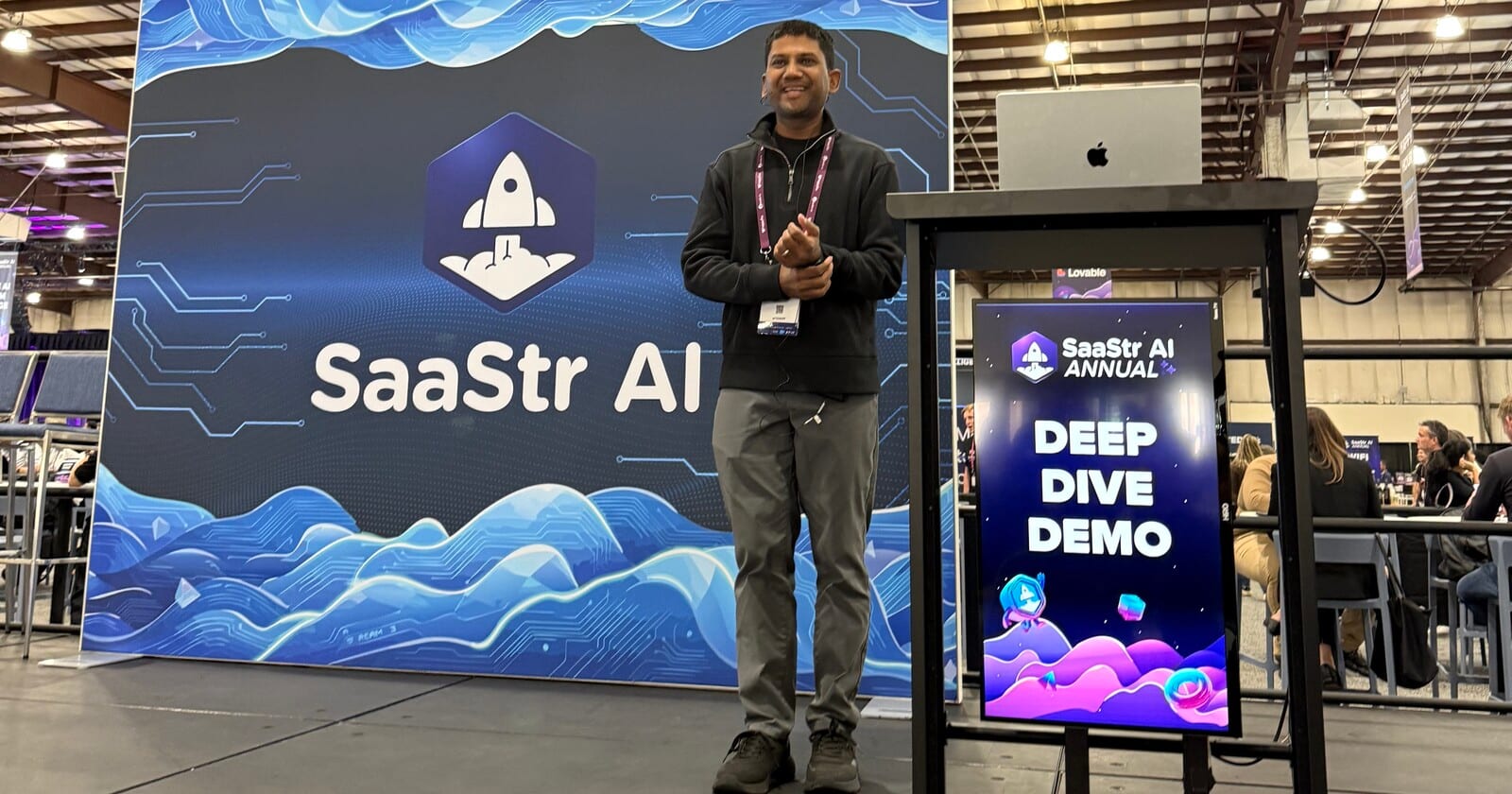
On the program
- Format
- Solo session
- Stage
- The Demos Stage
- Date
- May 2026
What the talk covered
The shortlist is built before you are in the room
The buying process now starts with a question put to a model, not to a peer or a search box. A buyer asks which vendors lead a category, asks for a comparison, and reads a synthesized answer. That answer is the shortlist. Everything a go-to-market team traditionally optimizes, the demo, the discovery call, the follow-up, happens downstream of a decision that has already narrowed the field.
Absence is a signal problem, not a quality problem
A company missing from those answers is usually not missing because the product is weaker. It is missing because the systems generating the answer do not have enough signal to cite it with confidence. That distinction matters because it changes who owns the fix. A product gap is a roadmap problem. A citation gap is a positioning and evidence problem, and it is solvable on a much shorter timeline.
Why this is not SEO with a new name
Search engines rank pages and hand back a list. Large language models synthesize an answer from sources they have judged authoritative, specific, and structurally accessible. There is no position two to climb to. Optimizing for rank and optimizing for citation pull in different directions: rank rewards coverage and repetition, citation rewards specificity and a claim a model can attribute.
The number that reframes the conversation
Measured at GrackerAI, enterprise buyers arriving from ChatGPT and Microsoft Copilot vendor research convert at 4.4 times the rate of traditional search traffic. That figure is what moves the discussion out of the marketing budget. It is not a story about a new channel to test, it is a story about where qualified pipeline is already coming from, unattributed.
What the room actually asked afterwards
The questions confirmed the going-in assumption: most founders knew something had shifted in how buyers find them, and had neither a name for it nor a playbook. The recurring question was where to start. The answer is the same each time: find what you are already cited for, find where you are invisible, and close the gap between the two. Teams that improve AI visibility 25% or more inside 90 days do it by becoming genuinely more citable, with sharper positioning and more specific claims, not by finding a trick.
Key takeaways
- The shortlist is assembled before the first sales conversation. AI-curated vendor lists are produced at the research stage, which sits upstream of every part of the funnel a go-to-market team currently instruments.
- Not being cited is a signal problem, not a product problem. The answer engine lacks the evidence to name you with confidence. That is a positioning and content fix, on a far shorter timeline than a roadmap fix.
- Models synthesize, they do not rank. There is no position two. A source is either specific and attributable enough to be cited or it is not, which makes SEO instincts an unreliable guide.
- AI-sourced enterprise buyers convert at 4.4x traditional search traffic, measured at GrackerAI. That is the number that reframes GEO from an experiment into a revenue priority.
- A 25% visibility improvement inside 90 days is achievable and is not a trick. It comes from sharper positioning, more specific claims, and structural signals a model can read and attribute.
- Start by measuring, not publishing. Find what you are cited for today and where you are absent. Content produced before that baseline exists is a guess.
- This is urgent rather than futuristic. The buyer behaviour is already in place; the gap is that most go-to-market teams have no instrumentation pointed at it.
From the room
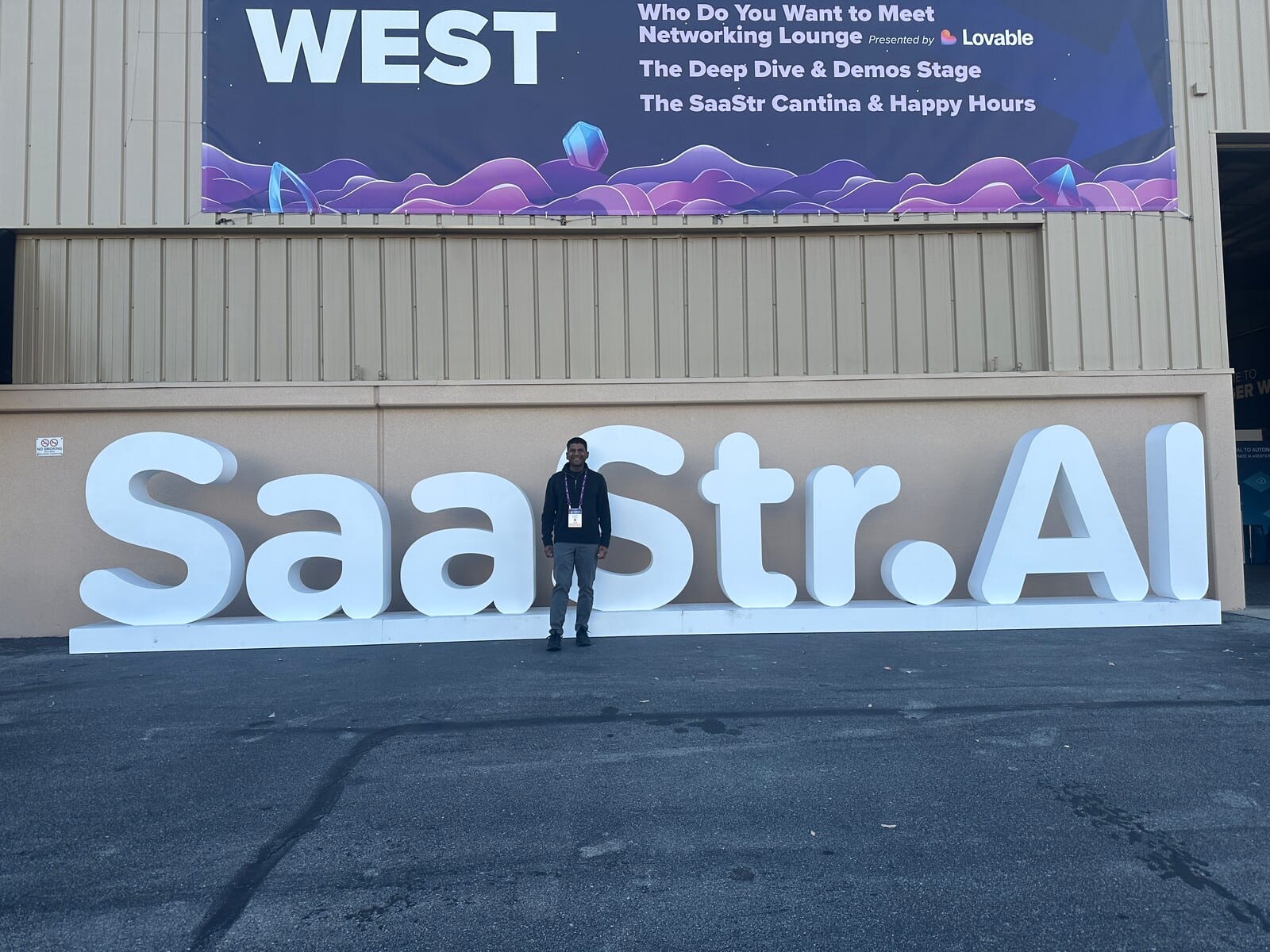

Who it was written for
In the room
- B2B SaaS founders and CEOs whose buyers research before they ever make contact
- CMOs and heads of growth watching organic search traffic convert worse each quarter
- Revenue leaders trying to explain pipeline that arrives with no attributable source
- Anyone who has searched for their own company in ChatGPT, not liked the answer, and moved on
What attendees left with
- A clear account of why AI answers sit upstream of the entire funnel
- The distinction between ranking and being cited, and why it changes what you publish
- A first step that costs nothing: baseline what you are cited for before writing anything new