
SSO
The Evolution of Single Sign-On for Autonomous AI Agents: Securing Non-Human Identities in the Age of Agentic Automation
As AI agents dominate workflows, traditional SSO struggles with machine-speed authentication.
Writing
Page 13 of 25.
As AI agents dominate workflows, traditional SSO struggles with machine-speed authentication.
This guide explores SAML, OAuth, and SCIM protocols central to enterprise single sign-on (SSO) systems.
AI-powered deep search tools are transforming 2025's digital landscape. This analysis covers advancements in NLP, enterprise solutions, ethical AI
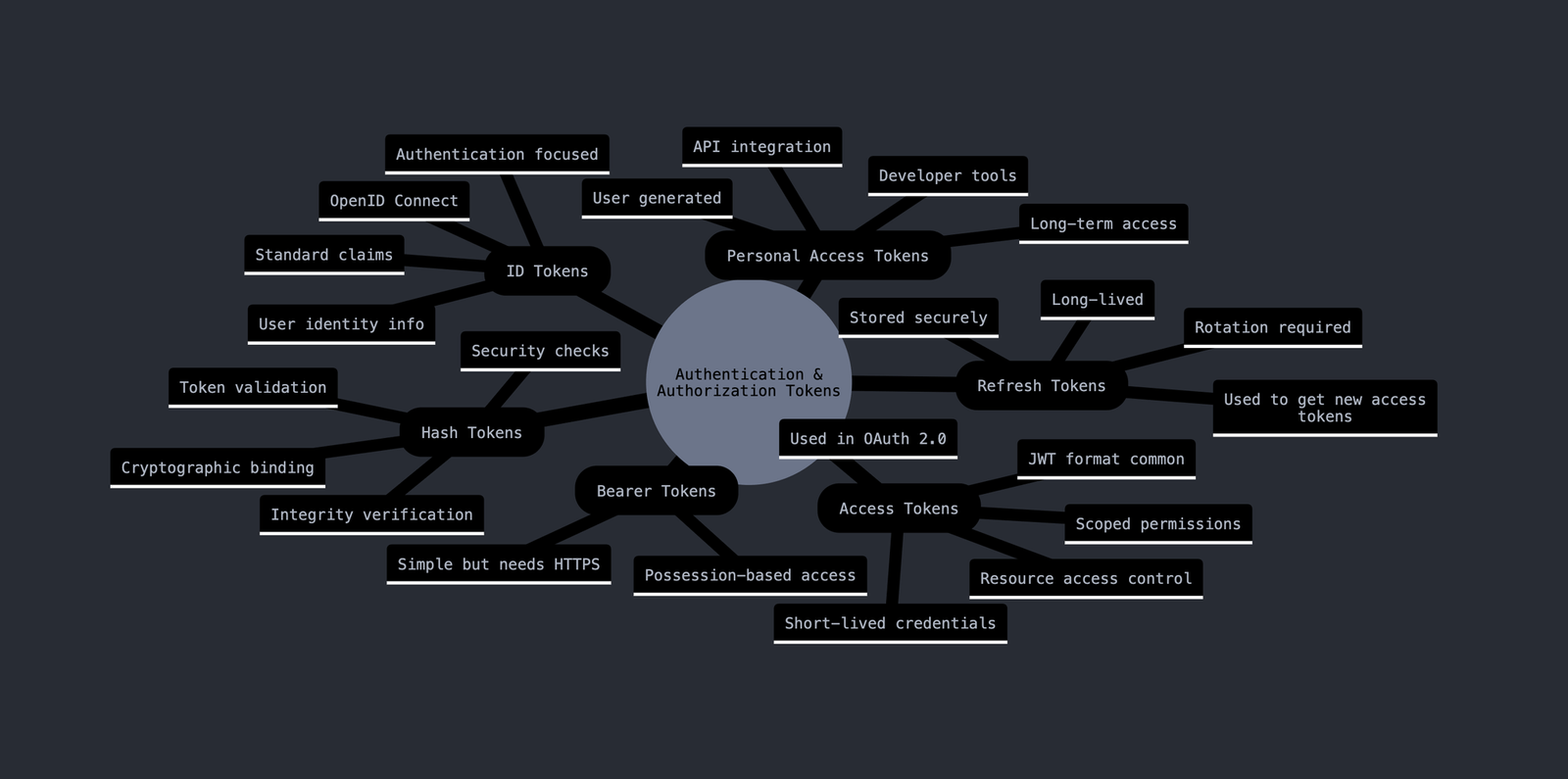
Understand different token types, from bearer tokens to PATs, along with their implementation strategies and security considerations.
The Department of Government Efficiency (DOGE) website was left vulnerable to unauthorized edits.
AI agents need to prove both their own identity and that a human authorized the action. Here is the three-token delegation architecture that answers both, and the security layers around it.
As geopolitical tensions reshape AI adoption, enterprises struggle to balance OpenAI's compliance frameworks against DeepSeek's cost efficiency.
A proven framework for merging human intuition with AI precision to enhance innovation, reduce bias, and scale operations.

Single Sign-On (SSO) is transforming how AI agents authenticate across systems. This article explores SSO’s role in enhancing security, enforcing

Discover how DeepSeek's 8B-parameter AI models deliver enterprise performance on laptops & edge devices.

Advanced deepfake detection combines AI forensic analysis, liveness checks, and behavioral biometrics to combat synthetic fraud.

Master fundamentals of SEO to elevate your online presence in 2025. From keyword research and on-page optimization to local SEO tactics, this guide covers

Explore key differences between CrewAI and AutoGen for AI agent development. CrewAI excels in role-based collaboration, while AutoGen prioritizes secure
Discover how Alibaba's Qwen 2.5-Max AI model with Mixture-of-Experts architecture outperforms DeepSeek V3 in key benchmarks, challenges OpenAI, and
Discover how to effectively manage and optimize AI tokens for better performance and cost efficiency.
Learn how to secure your company's digital assets in just 10 minutes a day. This practical guide shows small business owners and startup founders how to

DeepSeek redefines AI with cutting-edge innovations: MoE architecture activates only 37B parameters/token, FP8 training slashes costs, and latent
Navigate the complex world of cybersecurity software selection with confidence. This practical guide helps business leaders understand modern security
Dive deep into the technical fundamentals of Authentication and SSO systems. Learn how HTTP, security protocols, and best practices work together to
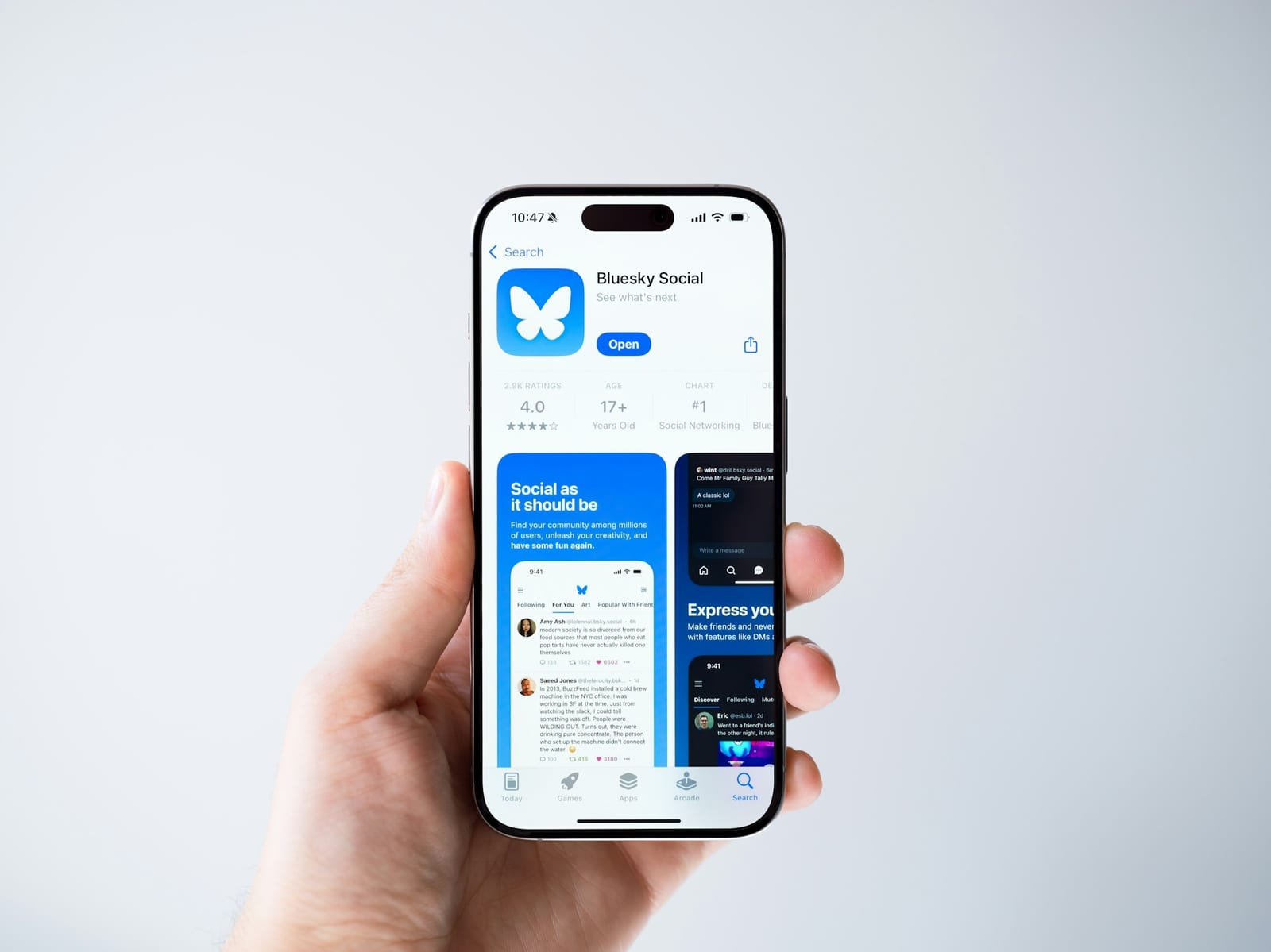
The Bluesky AT Protocol aims to decentralize social media, empowering users with control over their data and interactions.
How Grok 4.6 actually works: xAI's server infrastructure, 500K-token context window, real-time X data pipeline, and privacy architecture explained.
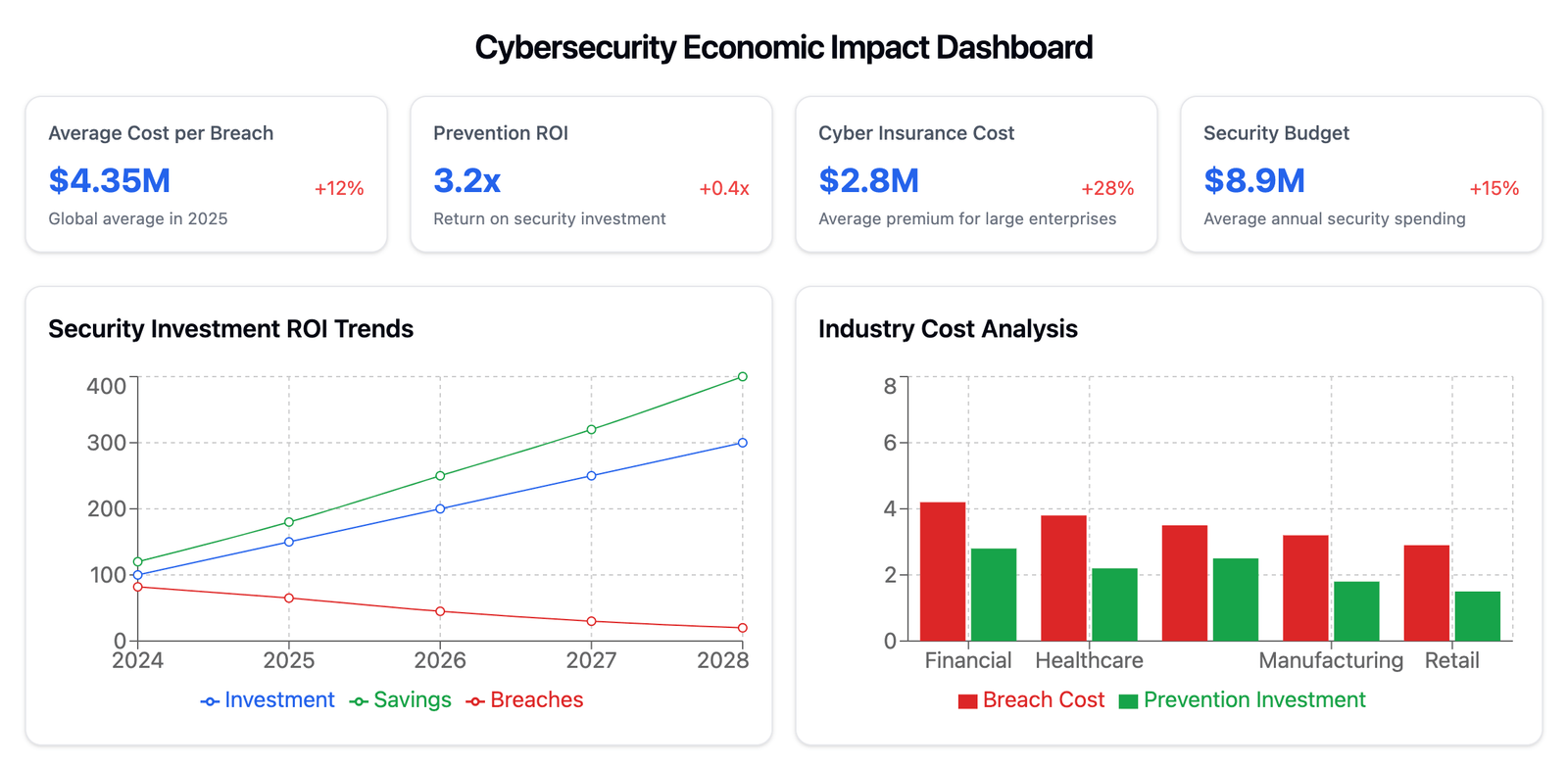
The cybersecurity landscape is entering an unprecedented era of complexity, with AI-driven threats, geopolitical tensions, and supply chain

CISA releases new Sector Specific Goals for IT and product design, focusing on software development security, product design enhancements, and industry
Transform your company's digital security from chaos to control with a access management system.
When a former employee retains access to sensitive systems months after leaving, it's more than a security oversight, it's a serious business risk.
Explore the invisible war being fought in cyberspace, where nations battle without traditional weapons.
California has passed revolutionary legislation to regulate artificial intelligence, requiring companies to disclose training data and label AI-generated
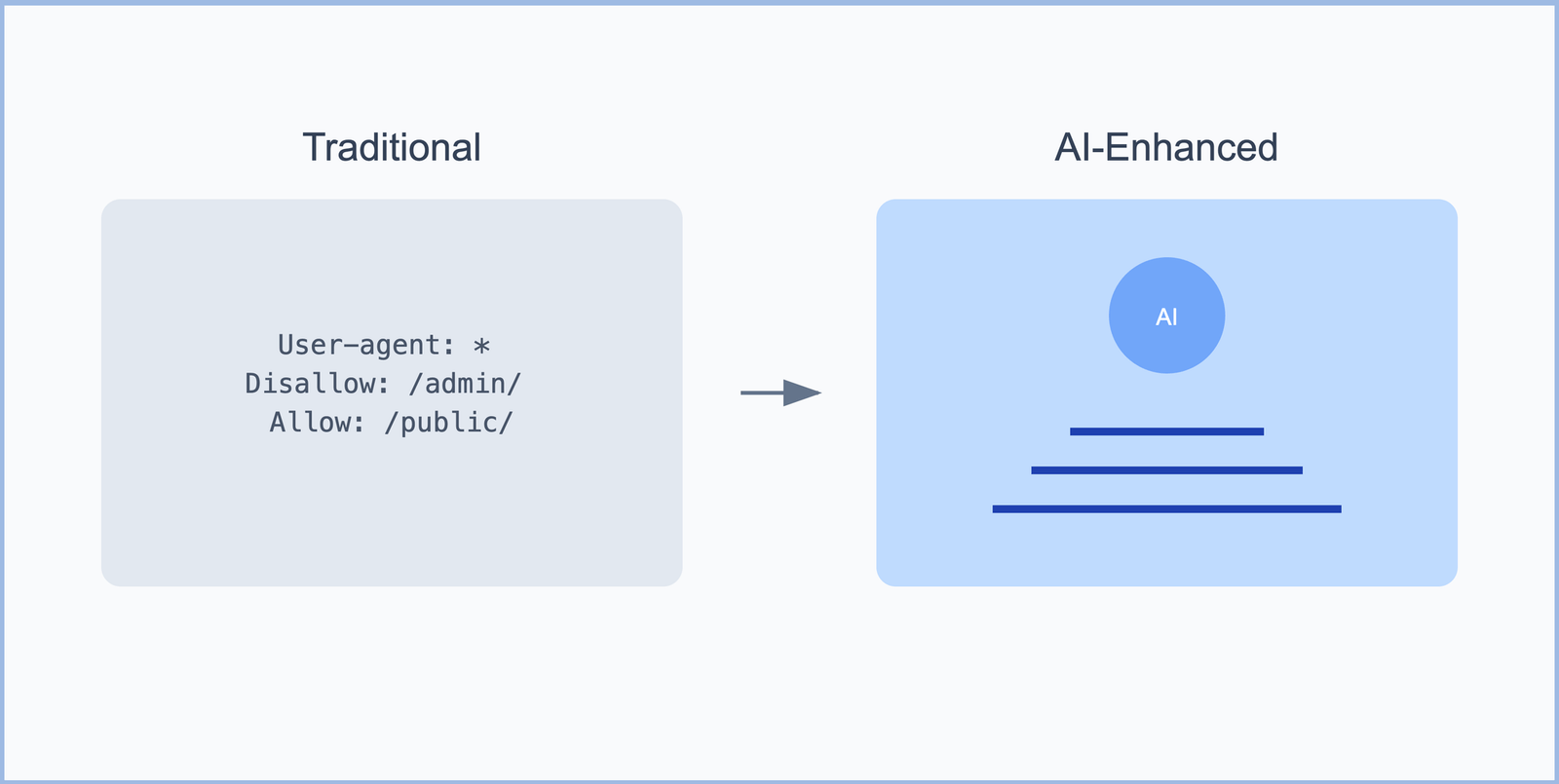
Discover how robots.txt has evolved from basic crawler control to a sophisticated security instrument.

As AI revolutionizes sales and marketing, successful businesses are returning to fundamental growth principles.
SAML 2.0 has been frozen since 2005 and still carries enterprise SSO, because that is what large IT organisations standardised on. Here is the protocol, the assertion flow, and the parts that go wrong.