
The Newcomer's Guide to the San Francisco Tech Scene
A founder's practical playbook for landing in the San Francisco tech scene: where to live, who to meet, which events matter, and the mistakes to skip.
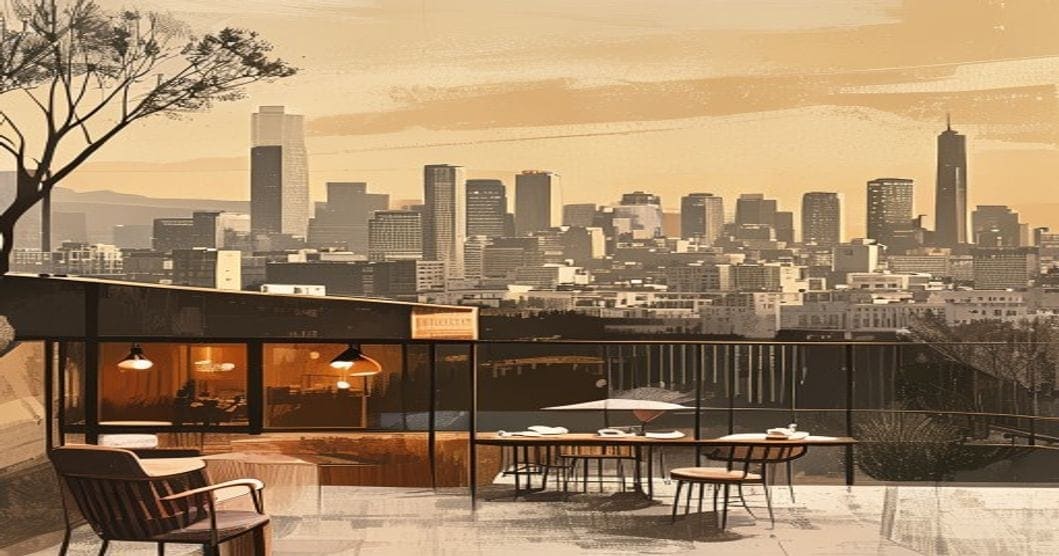
When I first arrived in San Francisco, the tech ecosystem felt like a city inside a city. Hundreds of meetups every week, a coffee shop on every block that has launched a company, neighborhoods that operate like specialised industries. Years of building, fundraising, and showing up at the right rooms later, here is the guide I wish someone had handed me on day one.
This is a founder's playbook. It assumes you are here to build something, meet people who can help you build it, and stay long enough that the city actually pays back the rent.
Why San Francisco still matters
People love to declare the SF tech era over. Every year. They are wrong every year. The reasons it still matters are the same three reasons it has always mattered.
- Density. The city is seven miles by seven miles. Every important AI lab, foundation model team, and venture firm sits inside a 20-minute Lyft of every other one. That density creates the bump-into-the-right-person serendipity you do not get on a Zoom grid.
- Capital concentration. A16Z, Sequoia, Founders Fund, Khosla, Greylock, Lightspeed, Benchmark, Index, and hundreds of other funds keep offices within a few square miles of SOMA (South of Market). The check that takes 12 weeks on the East Coast can land in 12 days here.
- Talent gravity. The senior staff engineers and ML researchers you want on the cap table either work here or fly in twice a month. The pool is not duplicated anywhere else, including Austin, NYC, and Bangalore.
Where to live
Neighborhood choice shapes everything: who you meet, what you eat, how easy it is to get to investor coffees, whether you can walk to the gym at 6am. A few honest picks.
Hayes Valley
Central, walkable, full of founders. Cerebral Valley is the local nickname because so many AI teams set up here. Souvla and Ritual Coffee are de facto offices. Rent is steep; you are paying for the network.
Mission District
Best food in the city. Diverse, less homogeneous than SOMA. Manny's on Valencia is a regular event venue worth knowing. The 20th Street corridor (Tartine, Sightglass, Mission Cliffs) is dense with AI and infra teams.
SOMA and South Beach
Pure work. Almost every Series A startup with an office still has it in SOMA. Quieter at night than the Mission. Useful if your priority is being able to walk to standup, less useful if you want a life outside the office.
Noe Valley and Castro
Better if you have a family, a dog, or a quiet-mornings preference. Slightly further from the action but a 12-minute Lyft to most things.
Skip these for week one
The Tenderloin (safety), Outer Sunset (too far from the action when you are still meeting people), and anything across the bridge if you are here to network. Cross-bridge living is a year-three problem, not a week-one decision.
Where to meet people
Events that actually matter
- Cerebral Valley AI events in Hayes Valley. Smaller, founder-heavy, the bar to attend is real.
- Y Combinator Demo Day watch parties. Even if you are not in YC, the parties around it are where introductions happen.
- SaaStr Annual at the San Mateo County Event Center (May). Three days of B2B SaaS density.
- The AI Engineer Summit / World's Fair, at Moscone West. The conference that anchors the practitioner side of the AI boom.
- RSA Conference (cybersecurity). If you are in security, this is the gravitational center every spring, back at Moscone Center each March.
- Hackathons. AGI House, OpenAI / Anthropic-sponsored weekends, and the small invite-only ones run out of cofounders' apartments. Pick one a quarter.
Coffee and the third place
Cafes are negotiation venues here. A short list that consistently runs into the right people:
- Sightglass Coffee, 20th Street: the AI and infra crowd
- Blue Bottle, South Park: classic SOMA founder hangout
- The Mill, Divisadero: NoPa, broader tech and design
- Ritual Coffee, Hayes Valley: AI labs and seed-stage teams
- Tartine Manufactory, Mission: bigger, good for longer working sessions
Coworking and member clubs
Solo founders need somewhere to be that is not their kitchen table. The honest options:
- The Commons, Hayes Valley: founder-friendly, good talks programme
- WeWork: not glamorous, but the locations are everywhere and a week pass is cheap
- The Battery: members-only. Worth it if your network skews investor and operator; not worth it for pure engineering teams
- StartHQ and similar incubator spaces: keep an eye on whatever AI accelerator just opened a residency programme
The online presence you need
SF runs on three platforms.
- X (Twitter). Still the city's town square for AI and startup news. If you are not on it, you are invisible to half the people who could help you. Post substantively, not just announcements.
- LinkedIn. Where the operators and enterprise buyers are. Different audience, different voice.
- Lu.ma. Where every interesting event is posted. Subscribe to a few key calendars (Cerebral Valley, your accelerator, friends who throw good ones).
Getting around
Do not bring a car. Parking is a part-time job, break-ins are routine, and the city is small enough that Lyft, Waymo (yes, it works), bike share, and Muni (San Francisco's public bus and rail system) cover almost everything. If you must, lease month-to-month while you decide whether you actually need one.
Waymo is now the default airport-and-back option for a lot of SF tech. Worth a download.
The first 90 days
Week one
- Open X, LinkedIn, and Lu.ma profiles if you do not have them
- Walk South Park, Hayes Valley, and the Mission, in that order
- Pick one cafe in your neighborhood and become a regular within 14 days
- Attend one event. Just one. Take it seriously.
First month
- Lock in a coworking routine, even one day a week somewhere consistent
- Schedule three coffees a week. No more. Send proper follow-ups within 48 hours.
- Join two community Slacks or Discords adjacent to your domain
- Identify the five people who, if they liked you, would change your trajectory. Plan how to meet them.
First quarter
- Host something. A small dinner, a topic-specific drinks, a hackathon. Hosts get remembered; attendees get forgotten.
- Get involved in one community as a contributor, not a consumer
- Find your three people. The ones whose calls you take at 11pm. SF is brutal on people who try to do it alone.
Mistakes to skip
The networking mistakes
- Trying to meet everyone in month one. You burn out, none of it sticks. Three good coffees a week beats fifteen shallow ones.
- Only attending big events. Demo Days and conferences are signal-poor for relationship building. The 12-person dinner in someone's living room is where the real bonds form.
- Staying in your tribe. If you are AI, go to security events. If you are infra, go to design events. The crosspollination is where the unfair ideas come from.
- Not following up. Take notes after each meeting. Send a useful follow-up (an intro, a link, a thought) within two days. The people who do this rise fast.
The lifestyle mistakes
- Signing a 12-month lease in week one. Take a 60-day short-term. The neighborhood you think you want and the one you actually want are usually different.
- Bringing a car. Already covered. Don't.
- Underdressing for the weather. The fog rolls in at 4pm in July and the temperature drops 15 degrees. Always carry a layer.
- Hiding from the homelessness conversation. SF has a real, visible crisis. Pretending it doesn't exist makes you look out of touch. Read what's been written, form a view, and treat people with dignity.
The community mistakes
- Taking before giving. The fastest way to be remembered as a taker is to ask for an intro before you have offered anything. Find ways to be useful first, even small ones.
- Faking a persona. SF has a strong allergy to performative founders. The Patagonia-vest cosplay is over. Be specific about what you actually know and do not know.
- Not investing in helping the next newcomer. The reason the SF network compounds is that everyone who got help pays it forward. Plan to do that from year one, not year five.
Giving back
This is the part most guides leave out and it is the most important. The reason the SF tech scene works is that people who arrived years ago consistently spend time on people who just arrived. Make office hours public when you have anything worth sharing. Host one small dinner a quarter for people you have never met. Take the warm intro call from someone whose name you don't recognise. The compounding on those gestures is enormous, and it is also the only way the city stays worth being in.
FAQ
Is San Francisco still worth it for a new founder in 2026?
Yes, especially if you are building in AI, security, infra, or B2B SaaS. The density of capital, talent, and serendipity is still unmatched globally. The cost is real, but the velocity it buys is also real.
What's the single highest-impact thing a newcomer should do in week one?
Pick one cafe within ten minutes of where you sleep and become a regular within two weeks. Familiar faces in a familiar room is how SF networking actually starts.
Where do AI founders hang out in SF right now?
Hayes Valley ("Cerebral Valley") for residential and casual coffees, SOMA and Mission for offices, Sightglass on 20th Street and Ritual on Hayes for the cafes that consistently run into the right people.
Do I need a car in San Francisco?
No. Lyft, Waymo, bike share, Muni, and BART (Bay Area Rapid Transit, the regional rail system) cover almost everything. Parking is a part-time job and car break-ins are routine. If you absolutely need one, lease month-to-month.
How do I get invited to the smaller, founder-only events?
Host something first. Even a six-person dinner in your kitchen. Hosts become known; pure attendees stay anonymous. After hosting once or twice, you start getting reciprocal invitations to the rooms that matter.
More from Deepak Gupta
Every page on guptadeepak.com is hand-curated by Deepak Gupta. Pick a thread:
- About Deepak Gupta Founder, cybersecurity architect, and writer at guptadeepak.com.
- My journey From LoginRadius (2013, 1B+ users) to GrackerAI, in milestones.
- Publications & patents Books, free e-books, a journal special issue, and five granted patents.
- Research Hub Curated research, buyer's guides, vendor comparisons, and technical deep-dives.
Get the newsletter
New writing on identity, AI security, and building software, delivered when it ships. No tracking pixels, no funnels, unsubscribe with one click.