API security in four layers, ordered by risk reduction per hour: authorization first, then tokens, then surface and design, then machine and agent identity. A map of every API security guide published here, plus a working order to follow.
In a monolith you check who someone is once. In microservices, every hop has to ask again. Here is how I design authentication and authorization across services: edge auth, per-service verification, workload identity with SPIFFE, and centralized policy.
MCP is Anthropic’s open standard for connecting AI agents to your tools and data. Here is what it actually is, how it differs from a REST API, and a clear rule for when to use each in 2026.
OpenRouter was worth $1.3 billion in May. Stripe has reportedly agreed to pay more than $7 billion for it in August. The routing layer turned out to be the valuable part.
JWT versus opaque tokens for API authentication: statelessness versus revocation, latency at global scale, blast radius, and the hybrid pattern most large deployments use.
Vercel breached after attacker compromised Context.ai, hijacked an employee's Google Workspace via OAuth, and accessed customer API keys and environment
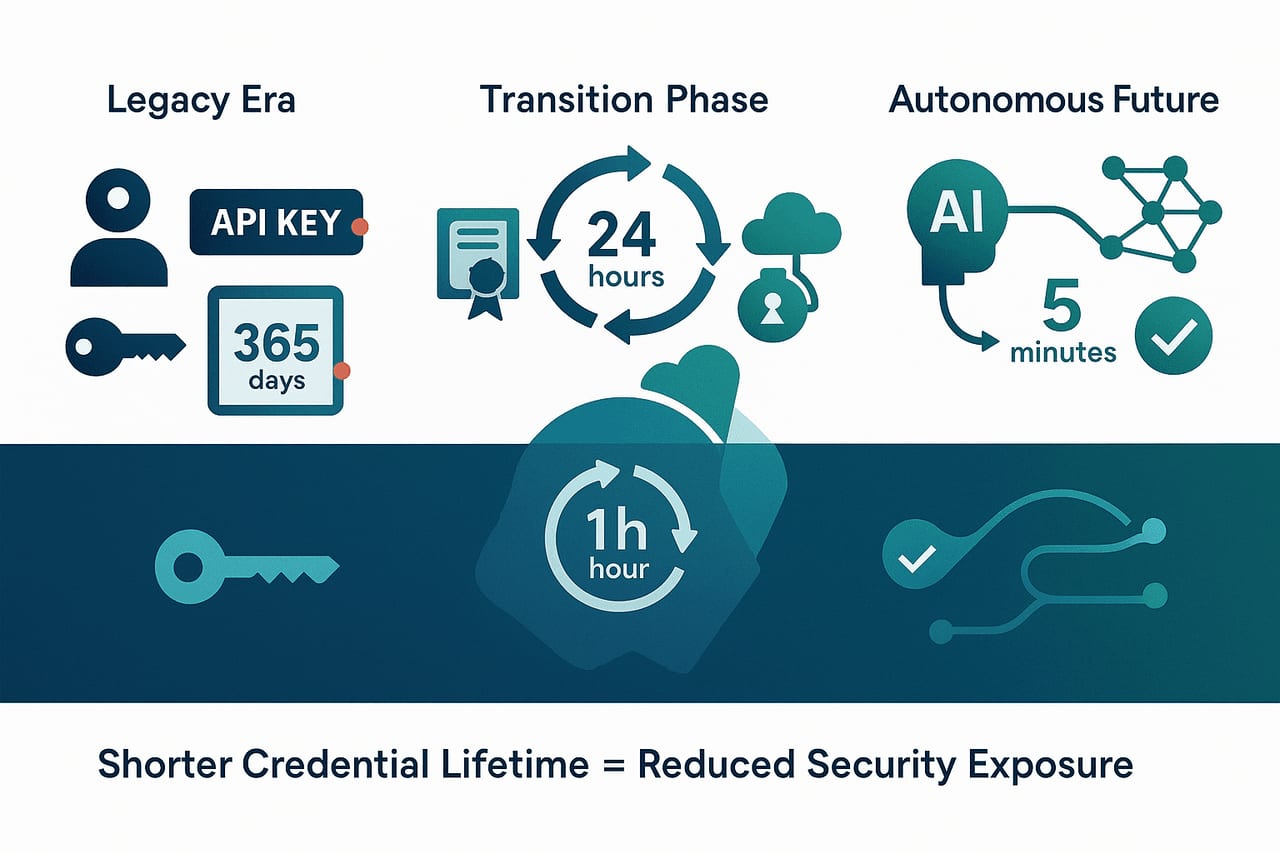
Static API keys scattered across repositories create exponential security debt as AI scales. The solution? Credentials that live for minutes, not months.
Discover API security strategies for Identity and Access Management systems. This expert guide covers authentication protocols, authorization frameworks,
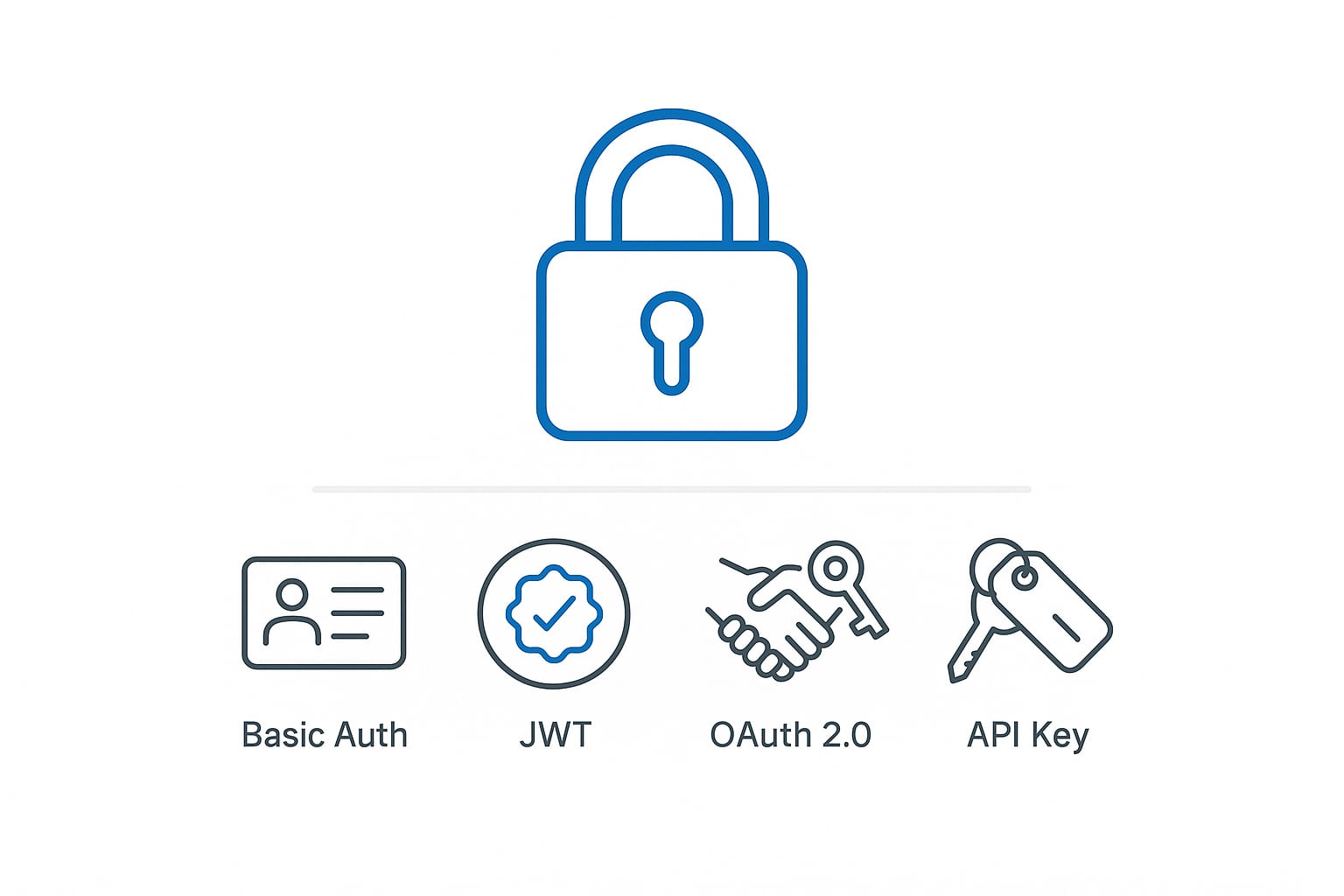
From Basic Auth’s simplicity to OAuth 2.0’s delegated muscle, this quick-read unpacks the strengths, gaps, and best-fit use cases of the four core REST
RESTful APIs are still vulnerable to various security risks. In this article, we will explore five common RESTful API security risks and discuss how to
A set of protocols and definitions allows different programs to connect. An API is an outline that tells a developer how to build a program to communicate